Synthetic vs Natural Thatch: Complete Guide to Materials, Benefits, and Applications

Get a Free Quote

Our representative will contact you soon.
Email
Name
Company Name
Message
0/1000

synthetic vs natural thatch

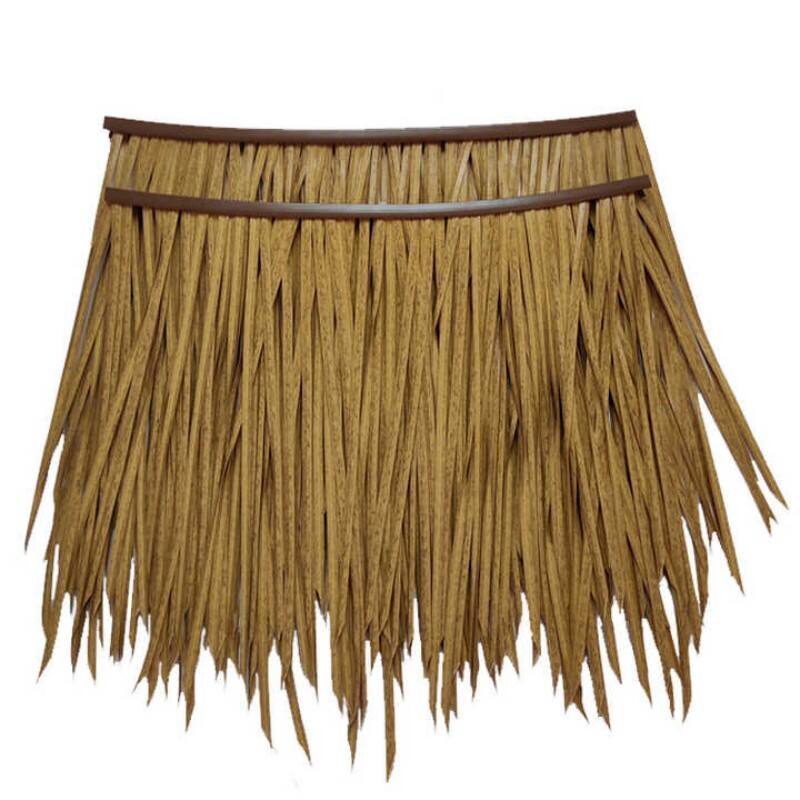
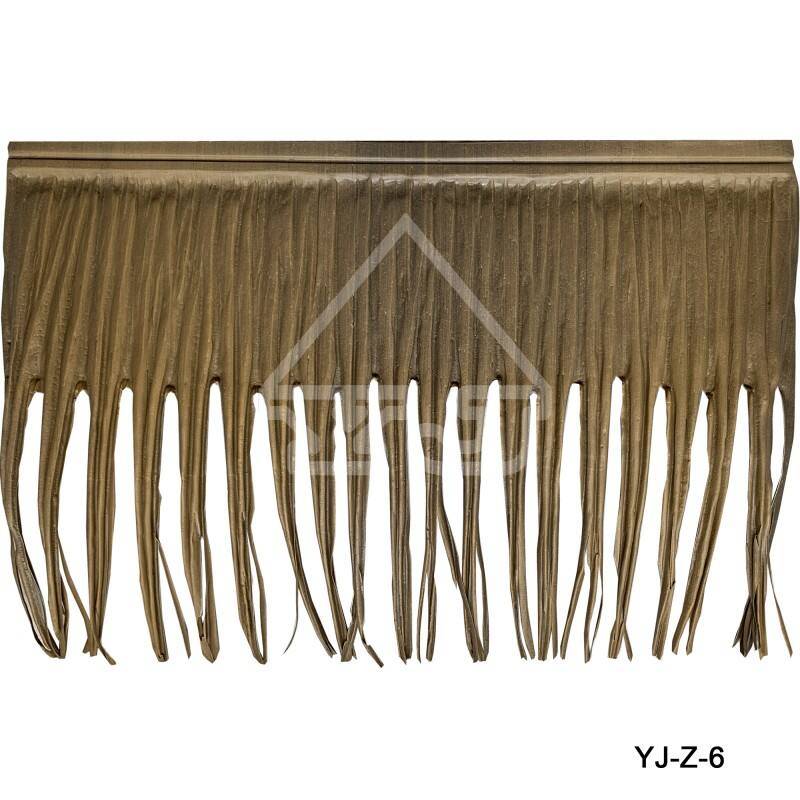
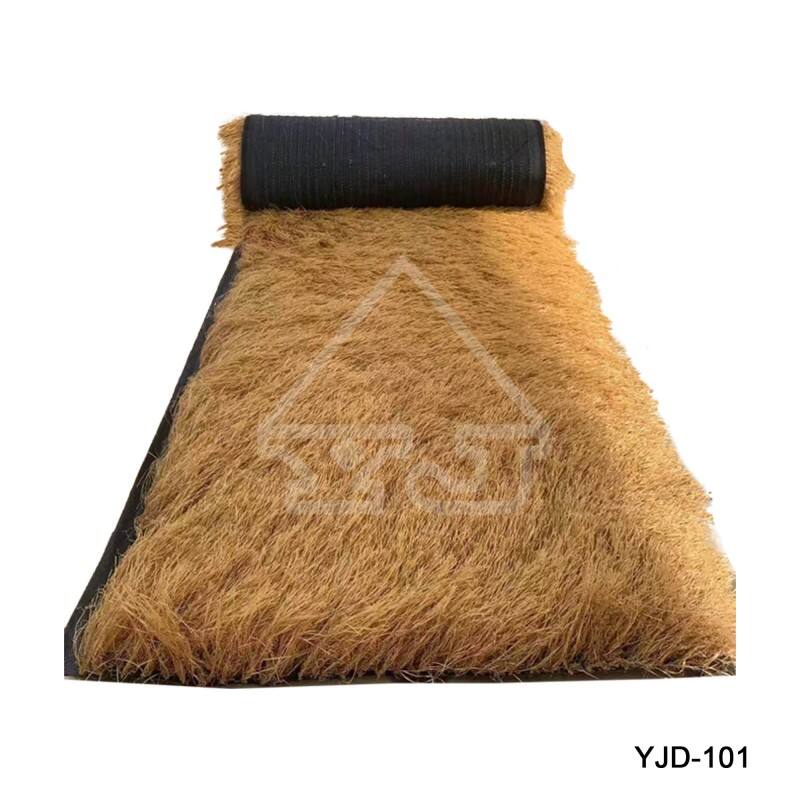
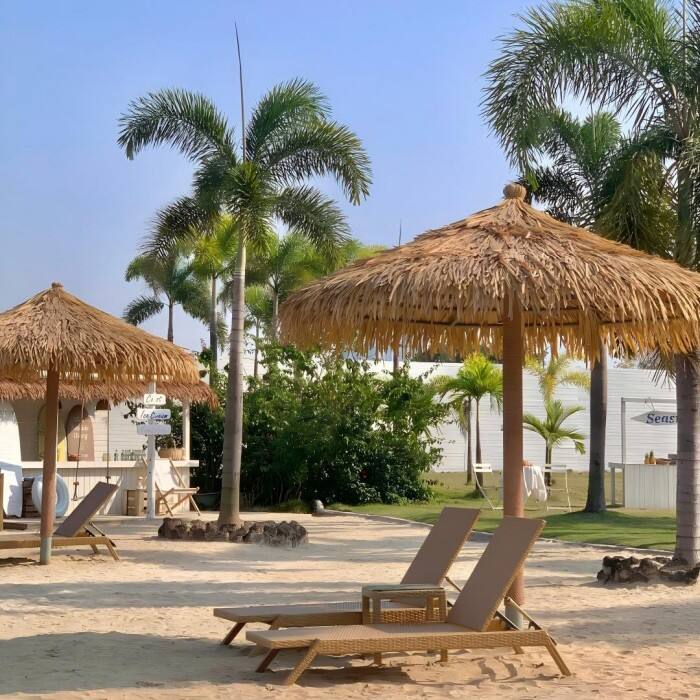
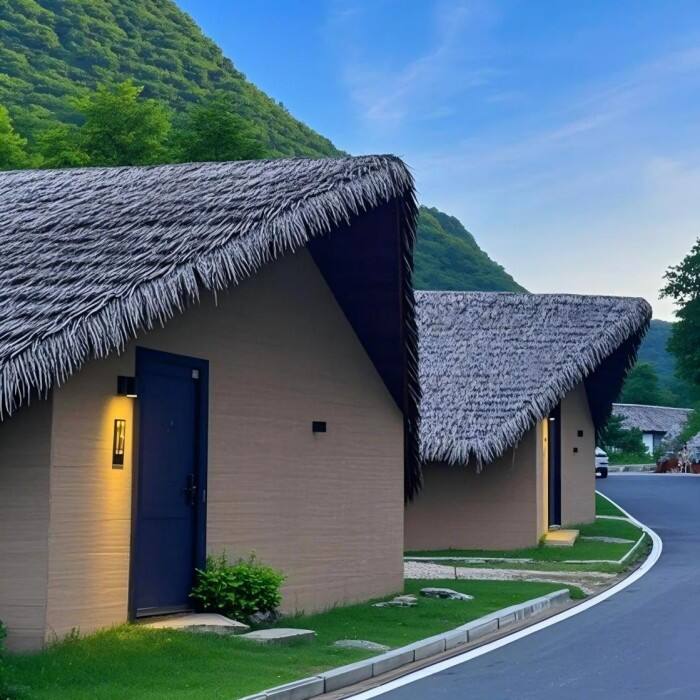
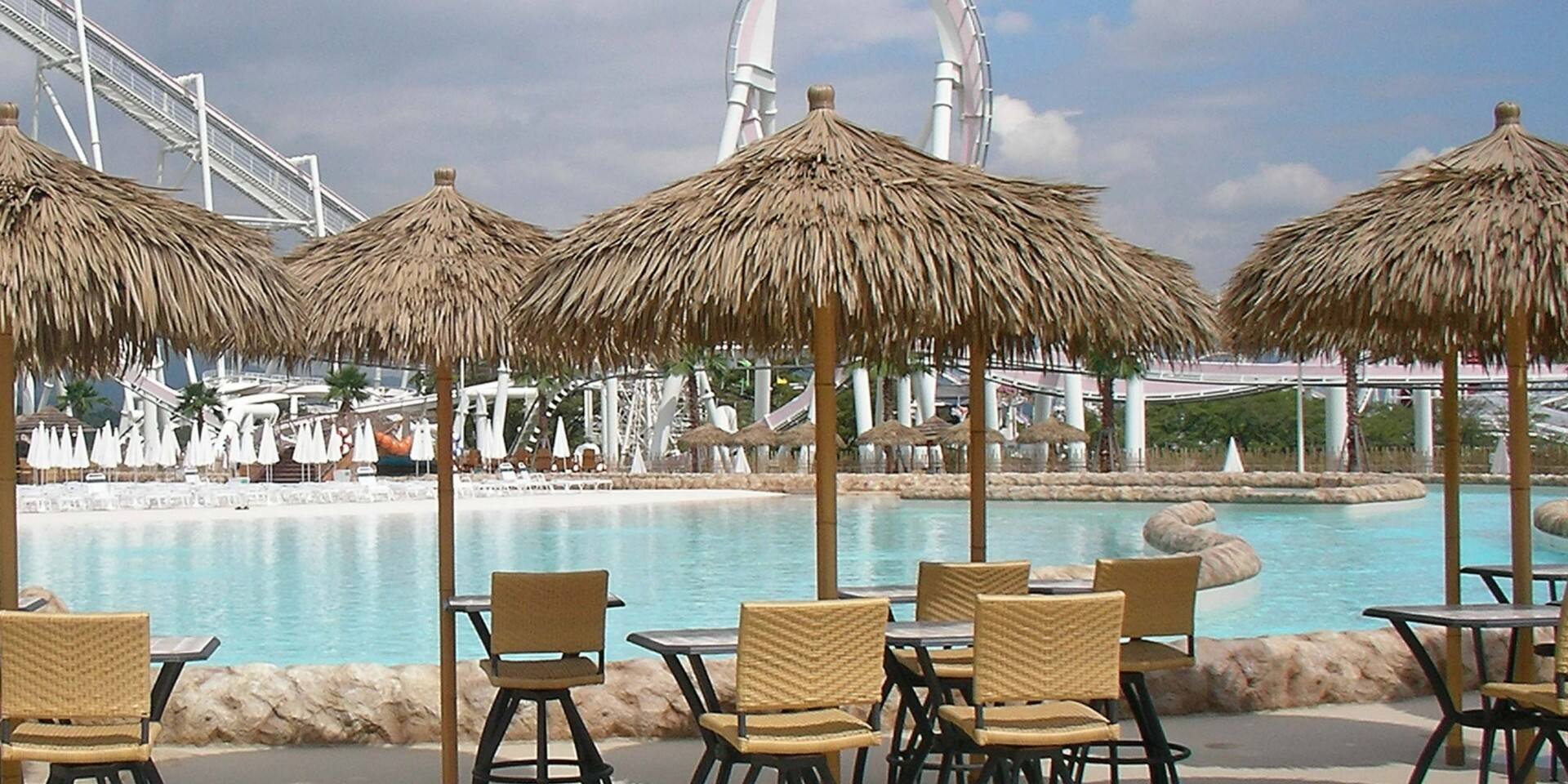
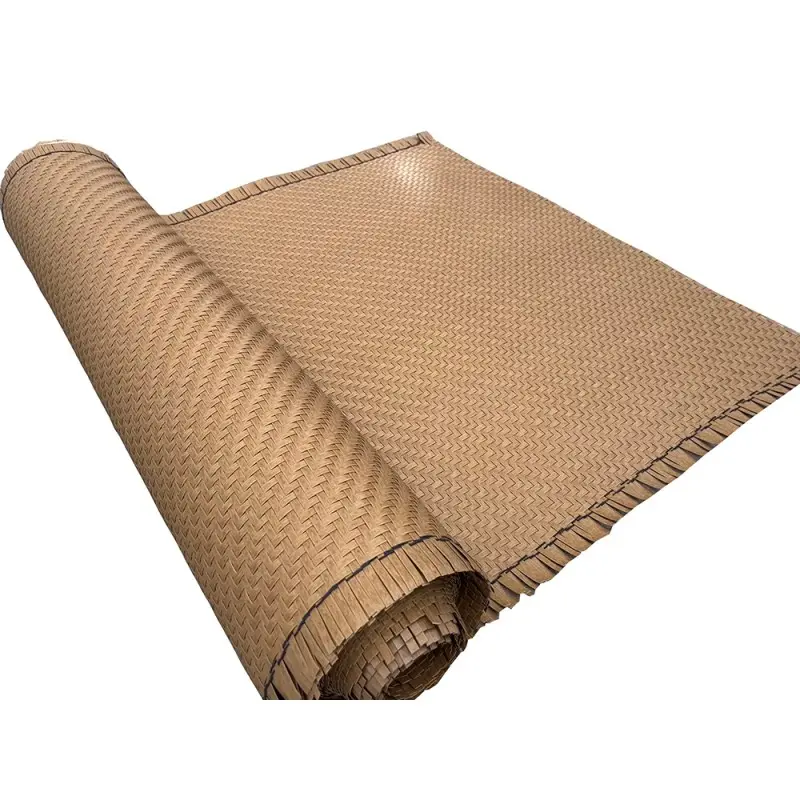
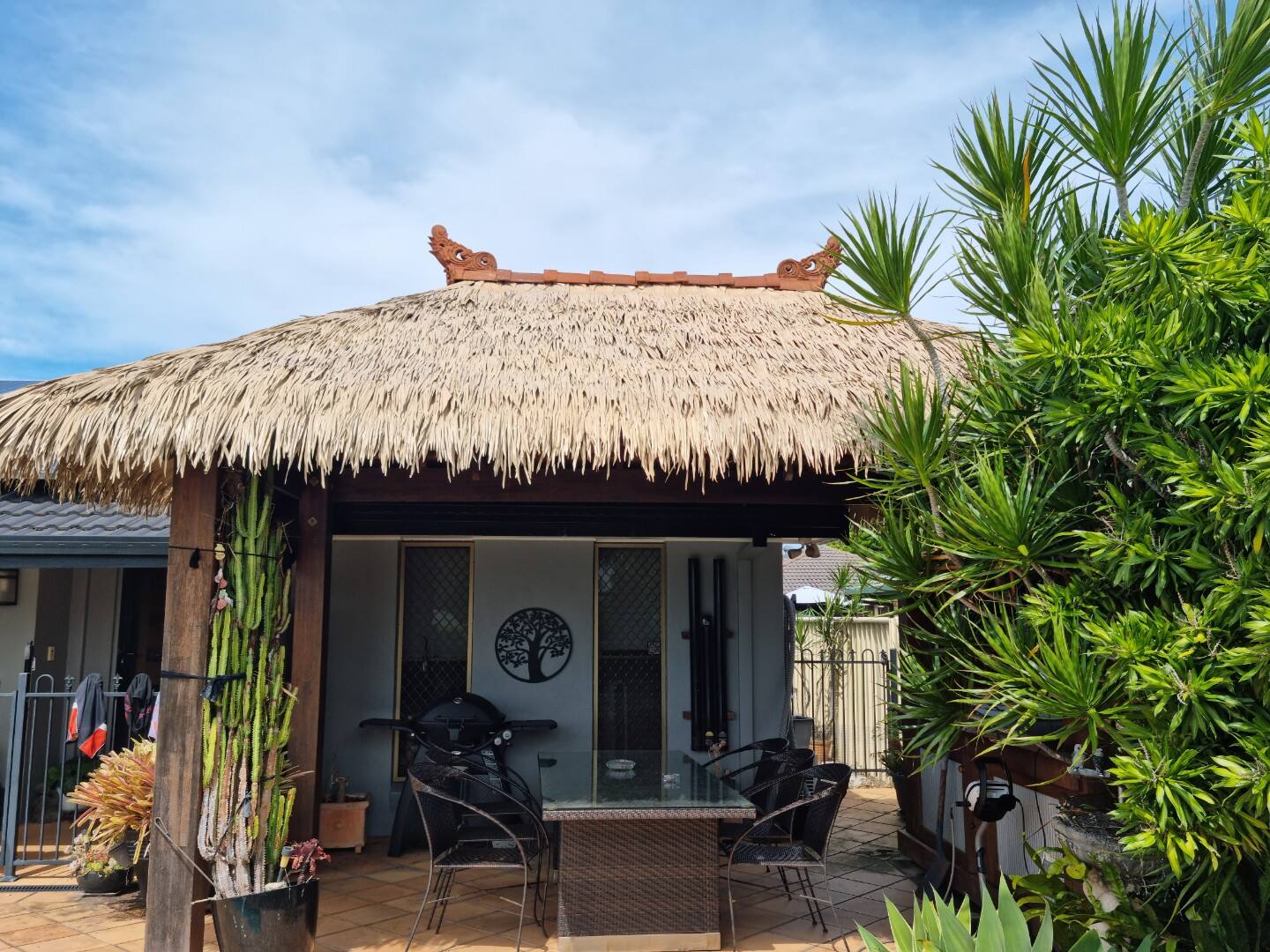
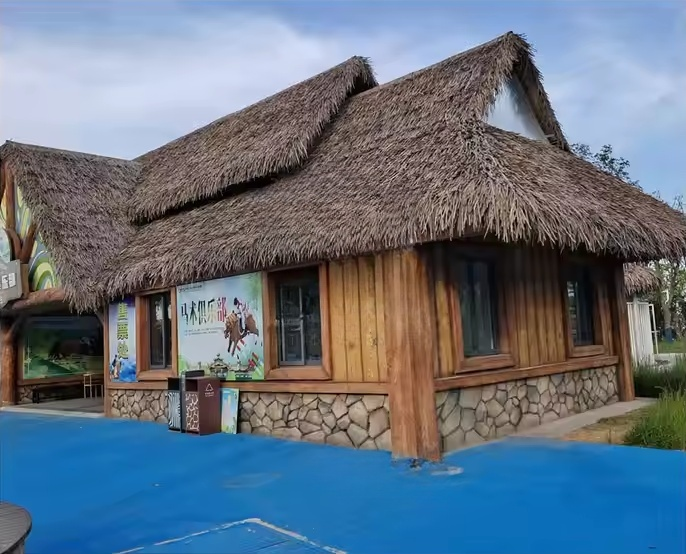
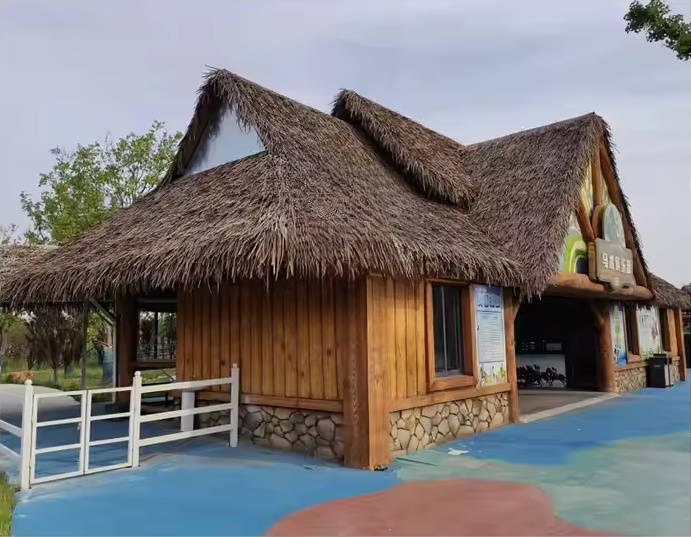
When considering roofing materials for architectural projects, the synthetic vs natural thatch debate presents property owners with two distinct pathways that serve identical aesthetic purposes while offering dramatically different performance characteristics. Natural thatch represents centuries-old craftsmanship using organic materials like wheat straw, water reed, or palm fronds, creating authentic rustic charm through traditional installation methods. This time-honored approach delivers genuine texture variations and weathering patterns that evolve gracefully over decades. Synthetic vs natural thatch comparisons reveal that artificial alternatives utilize advanced polymer technologies, engineered fibers, and UV-resistant compounds to replicate organic appearances without inheriting biological vulnerabilities. Modern synthetic thatch products incorporate fire-retardant treatments, moisture barriers, and structural reinforcements that address traditional limitations. The technological features distinguishing synthetic vs natural thatch include durability specifications, maintenance requirements, and installation complexities. Natural materials require specialized craftsmen familiar with layering techniques, proper ventilation systems, and regional climate considerations. Synthetic alternatives often feature modular designs, standardized installation procedures, and compatibility with conventional roofing frameworks. Applications for both synthetic vs natural thatch span residential cottages, commercial hospitality venues, theme parks, and cultural preservation projects. Natural thatch excels in heritage buildings, eco-friendly constructions, and environments prioritizing authentic historical accuracy. Synthetic options dominate applications requiring fire safety compliance, reduced maintenance schedules, and consistent aesthetic results across large installations. The main functions served by synthetic vs natural thatch include weather protection, thermal insulation, and distinctive visual appeal that transforms ordinary structures into architectural statements. Both materials create effective barriers against precipitation while allowing natural ventilation through proper installation techniques. Understanding these fundamental differences helps property owners make informed decisions based on project requirements, budget constraints, and long-term maintenance preferences when evaluating synthetic vs natural thatch options.

Popular Products

Examining the practical benefits of synthetic vs natural thatch reveals compelling reasons why property owners increasingly favor artificial alternatives for modern construction projects. Synthetic thatch eliminates the fire hazards associated with organic materials by incorporating flame-resistant compounds that meet strict building codes and insurance requirements. This safety advantage proves crucial for commercial properties, hospitality venues, and residential areas with stringent fire regulations. The durability comparison between synthetic vs natural thatch demonstrates synthetic materials typically lasting 15-20 years without significant degradation, while natural alternatives require replacement every 8-12 years depending on climate conditions and maintenance quality. Cost-effectiveness becomes apparent when calculating long-term expenses, as synthetic vs natural thatch analysis shows artificial options delivering superior value through reduced replacement frequency and minimal maintenance requirements. Property owners save substantially on labor costs since synthetic installations require fewer specialized craftsmen and shorter installation timeframes compared to traditional thatching methods. Weather resistance represents another significant advantage where synthetic vs natural thatch comparison favors artificial materials designed to withstand extreme temperature fluctuations, heavy precipitation, and prolonged UV exposure without structural compromise. Natural thatch experiences gradual deterioration through biological processes, insect infestations, and moisture absorption that synthetic alternatives completely avoid. Maintenance simplicity distinguishes synthetic vs natural thatch options, with artificial materials requiring only periodic cleaning and visual inspections rather than complex re-layering procedures and pest management protocols. Color consistency remains stable throughout synthetic thatch lifespans, eliminating the unpredictable weathering patterns that create uneven appearances in natural materials. Installation flexibility allows synthetic vs natural thatch projects to proceed regardless of seasonal constraints, moisture conditions, or material availability issues that often delay traditional thatching work. Quality control benefits synthetic manufacturing processes that ensure consistent thickness, density, and performance characteristics across entire installations. Environmental considerations favor synthetic vs natural thatch when sourcing sustainable materials becomes challenging or when protecting natural habitats from over-harvesting concerns. The predictable performance of synthetic alternatives enables accurate project planning, budget forecasting, and maintenance scheduling that natural materials cannot guarantee due to their organic variability.

Tips And Tricks

How to Choose a High-Quality Synthetic Thatch Roof for Commercial Projects

24

Nov

How to Choose a High-Quality Synthetic Thatch Roof for Commercial Projects

Selecting the right roofing material for commercial projects requires careful consideration of durability, aesthetics, and long-term performance. A synthetic thatch roof offers an ideal solution for businesses seeking the authentic appearance of trad...
View More
How Material Choices Affect the Durability and Appearance of Synthetic Thatch

18

Nov

How Material Choices Affect the Durability and Appearance of Synthetic Thatch

The selection of materials in synthetic thatch manufacturing plays a crucial role in determining both the longevity and aesthetic appeal of these roofing solutions. Modern synthetic thatch products have revolutionized the construction industry by off...
View More
How to Evaluate Cost-Effectiveness of Artificial Thatch Roof for Commercial Projects

12

Nov

How to Evaluate Cost-Effectiveness of Artificial Thatch Roof for Commercial Projects

Commercial property developers and architects increasingly turn to alternative roofing solutions that combine aesthetic appeal with long-term durability. The artificial thatch roof has emerged as a compelling option for tropical resorts, entertainmen...
View More
Durability and Maintenance Methods of Rattan Weave

17

Dec

Durability and Maintenance Methods of Rattan Weave

Rattan weave has emerged as one of the most sought-after materials in contemporary architecture and interior design, offering a perfect blend of natural aesthetics and functional durability. This versatile material combines traditional craftsmanship ...
View More

Get a Free Quote

Our representative will contact you soon.
Email
Name
Company Name
Message
0/1000

synthetic vs natural thatch

Superior Fire Safety and Building Code Compliance

Superior Fire Safety and Building Code Compliance

The fire safety advantages of synthetic vs natural thatch create fundamental differences that influence project feasibility and insurance considerations across commercial and residential applications. Natural thatch materials pose inherent combustion risks due to their organic composition, dry texture, and historical association with devastating fires that have destroyed entire villages throughout centuries. Modern building codes increasingly restrict natural thatch installations in urban areas, near property lines, and within designated fire zones, creating regulatory barriers that synthetic alternatives completely circumvent. Synthetic vs natural thatch fire resistance testing demonstrates artificial materials achieving Class A fire ratings through advanced chemical treatments and engineered fiber compositions that resist ignition, limit flame spread, and self-extinguish when heat sources are removed. Insurance companies recognize these safety differences by offering reduced premiums for synthetic thatch installations while imposing surcharges or coverage exclusions for natural alternatives. The synthetic vs natural thatch safety comparison extends beyond fire resistance to include structural integrity during emergency situations, as artificial materials maintain dimensional stability under extreme heat while natural thatch can collapse unpredictably. Fire suppression systems work more effectively with synthetic materials that don't generate the dense smoke and rapid flame propagation characteristic of burning organic matter. Property owners selecting synthetic vs natural thatch gain peace of mind knowing their investment meets contemporary safety standards without sacrificing aesthetic appeal. Commercial properties, restaurants, hotels, and entertainment venues particularly benefit from synthetic thatch fire safety features that enable compliance with strict occupancy regulations and emergency evacuation procedures. The liability protection offered by synthetic vs natural thatch fire resistance proves invaluable for property owners, architects, and contractors who prioritize safety without compromising design vision. Emergency responders prefer synthetic thatch installations because artificial materials burn more predictably, generate less toxic smoke, and create safer working conditions during fire suppression activities compared to natural alternatives.
Long-Term Cost Effectiveness and Maintenance Efficiency

Long-Term Cost Effectiveness and Maintenance Efficiency

The financial analysis of synthetic vs natural thatch reveals compelling economic advantages that extend far beyond initial material costs to encompass installation expenses, maintenance requirements, and lifecycle replacement schedules. Natural thatch demands specialized craftsmen whose expertise commands premium labor rates, while synthetic alternatives utilize conventional roofing contractors familiar with standard installation procedures, significantly reducing project costs. The synthetic vs natural thatch maintenance comparison demonstrates artificial materials requiring minimal intervention beyond periodic cleaning and visual inspections, eliminating the complex re-thatching procedures that natural materials demand every few years. Property owners discover synthetic thatch maintains its appearance and structural integrity for 15-20 years without major interventions, while natural alternatives typically require partial replacement every 3-5 years and complete renovation every 8-12 years depending on climate exposure. The synthetic vs natural thatch cost analysis becomes more favorable for artificial materials when factoring in reduced insurance premiums, eliminated pest control expenses, and avoided weather damage repairs that frequently plague organic installations. Synthetic materials resist moisture absorption, preventing the rot, mold, and structural deterioration that create ongoing maintenance headaches with natural thatch. The predictable performance of synthetic vs natural thatch enables accurate budget forecasting and maintenance planning, eliminating unexpected expenses associated with storm damage, pest infestations, or accelerated deterioration in harsh climates. Commercial property owners particularly benefit from synthetic thatch cost advantages since artificial materials minimize business disruptions, reduce liability exposure, and deliver consistent aesthetic results across large installations. The synthetic vs natural thatch economic comparison favors artificial alternatives in regions with extreme weather conditions where natural materials deteriorate rapidly, requiring frequent replacement and intensive maintenance protocols. Labor savings continue throughout the synthetic thatch lifecycle since repairs typically involve simple component replacement rather than the skilled craftsmanship required for natural material restoration.
Weather Resistance and Structural Durability

Weather Resistance and Structural Durability

The performance characteristics of synthetic vs natural thatch under extreme weather conditions reveal fundamental material science advantages that protect property investments while ensuring long-term structural integrity. Natural thatch experiences continuous degradation through biological processes, UV radiation, temperature cycling, and moisture infiltration that synthetic alternatives resist through engineered polymer compositions and protective treatments. Synthetic vs natural thatch weather testing demonstrates artificial materials maintaining dimensional stability, color consistency, and waterproofing effectiveness through decades of exposure to harsh environmental conditions. Natural materials absorb moisture during precipitation events, creating weight fluctuations that stress underlying structures while promoting mold growth, insect infestations, and accelerated decomposition processes. The synthetic vs natural thatch durability comparison shows artificial options engineered with UV stabilizers that prevent color fading, material brittleness, and structural breakdown under intense sunlight exposure. Wind resistance testing favors synthetic materials designed with interlocking systems and mechanical fasteners that maintain secure attachment during severe weather events, while natural thatch relies on layering techniques vulnerable to uplift forces. Synthetic vs natural thatch freeze-thaw performance demonstrates artificial materials remaining flexible and intact through repeated temperature cycling that causes natural materials to crack, split, and separate from substrates. Moisture management systems integral to synthetic thatch designs include vapor barriers, drainage channels, and ventilation features that prevent the water accumulation problems plaguing natural installations. The synthetic vs natural thatch structural analysis reveals artificial materials providing consistent load distribution and predictable performance characteristics essential for engineering calculations and building code compliance. Hail damage resistance strongly favors synthetic alternatives engineered to withstand impact forces that shatter, puncture, or displace natural thatch components. Chemical resistance enables synthetic vs natural thatch installations to survive acid rain, salt spray, and industrial pollutants that accelerate natural material deterioration in urban and coastal environments.

Get a Free Quote

Our representative will contact you soon.
Email
Name
Company Name
Message
0/1000