Synthetic vs Natural Thatch Cost Comparison: Complete Guide to Roofing Investment Decisions

Get a Free Quote

Our representative will contact you soon.
Email
Name
Company Name
Message
0/1000

synthetic vs natural thatch cost

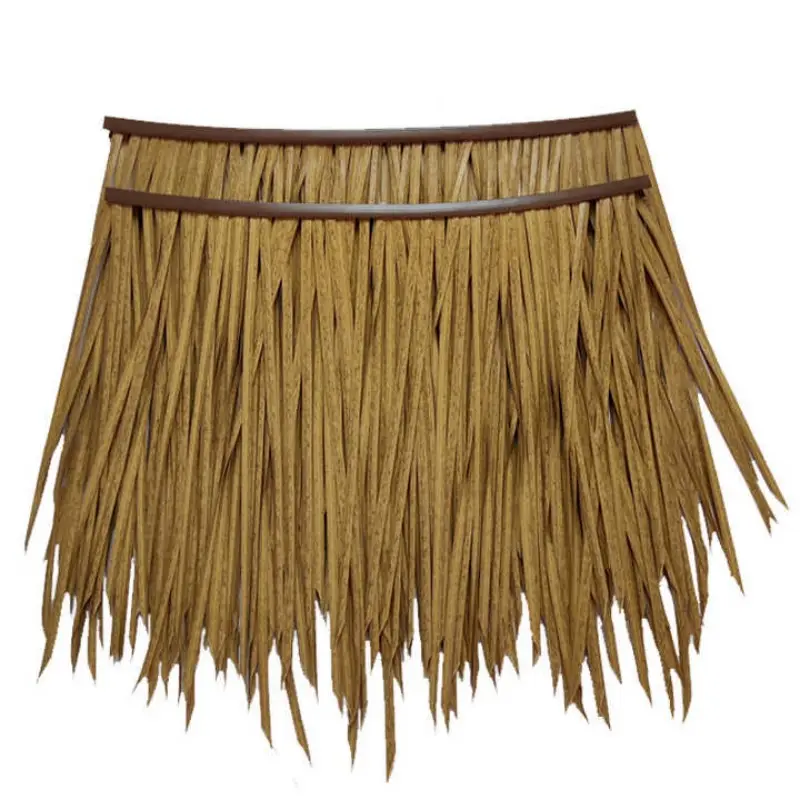
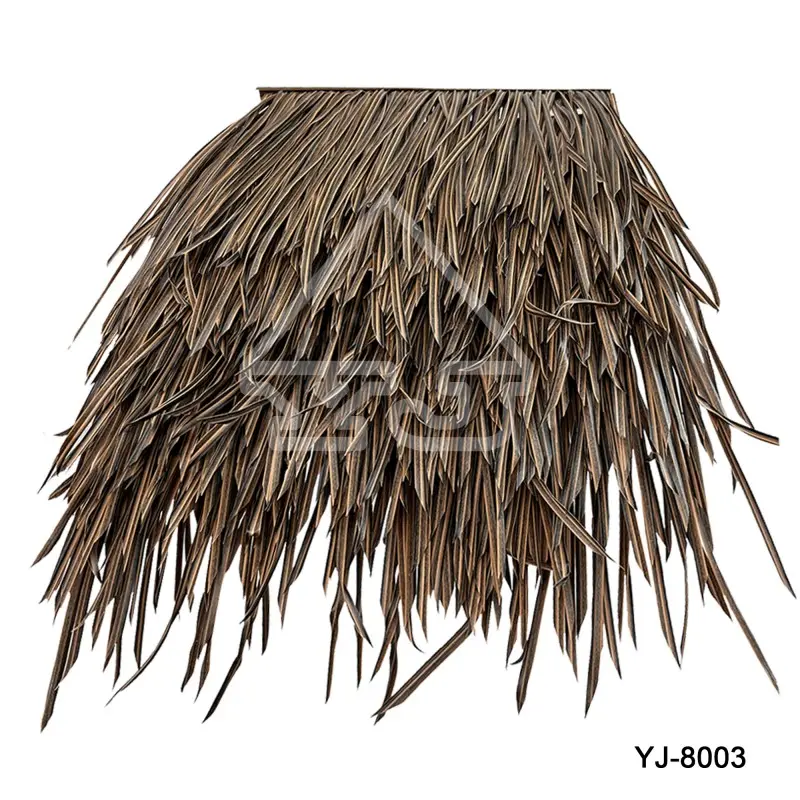
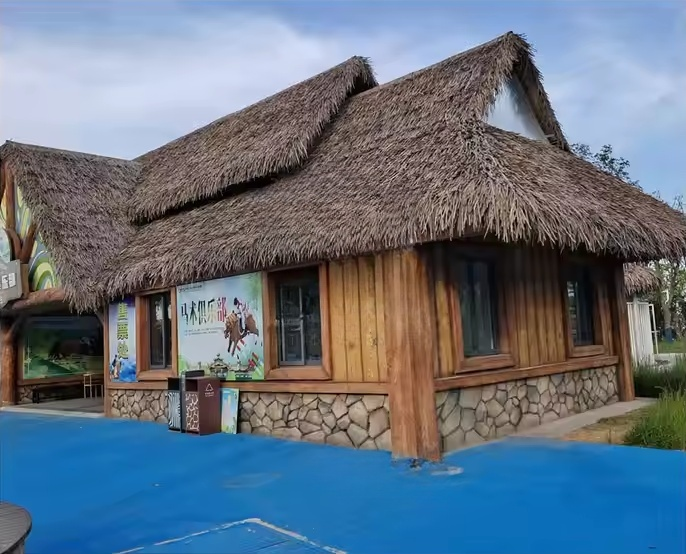
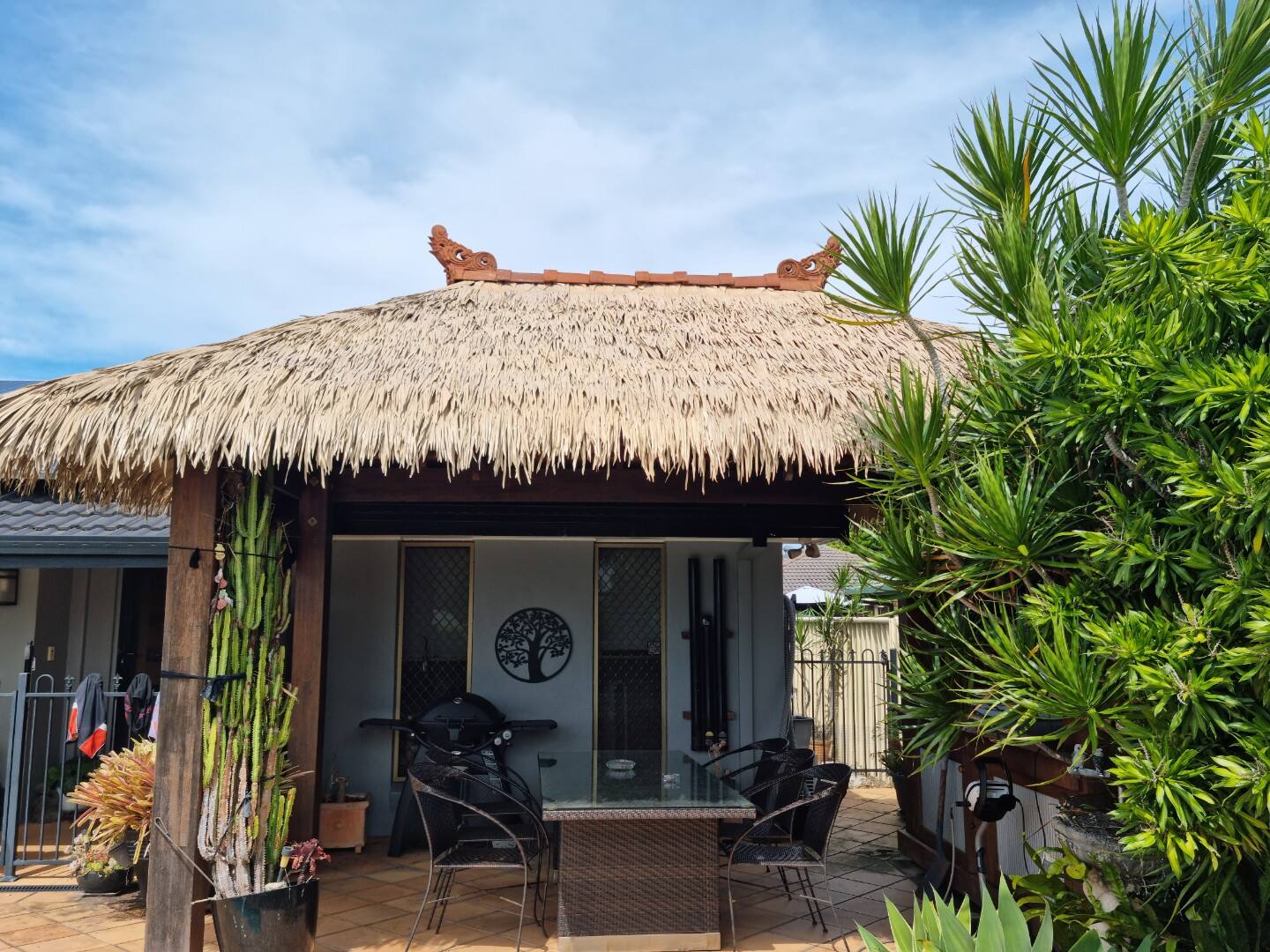
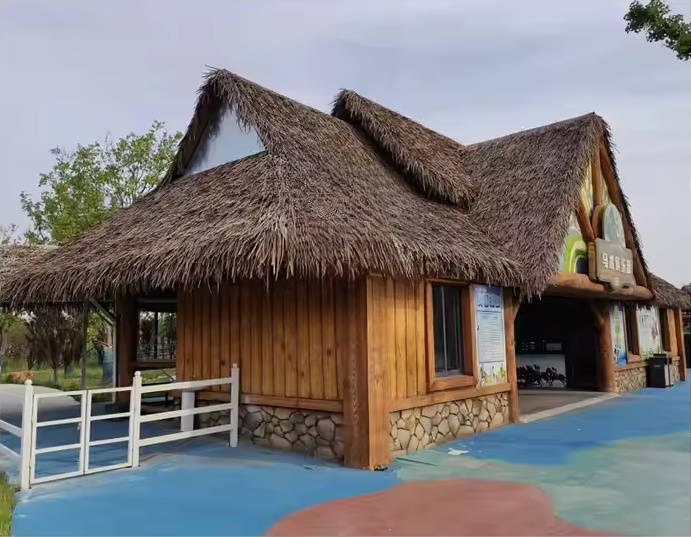
When evaluating synthetic vs natural thatch cost, homeowners and builders face a significant decision that impacts both immediate expenses and long-term financial planning. Natural thatch, traditionally crafted from materials like water reed, wheat straw, or palm leaves, represents centuries of roofing heritage but comes with substantial upfront and maintenance expenses. The initial synthetic vs natural thatch cost comparison reveals that natural materials typically require $15-25 per square foot for installation, while synthetic alternatives range from $8-15 per square foot. Natural thatch installation demands specialized craftsmen with years of training, driving labor costs significantly higher. The technological features of natural thatch include exceptional insulation properties, breathability that regulates indoor temperature naturally, and authentic aesthetic appeal that synthetic materials strive to replicate. However, natural thatch requires complete replacement every 15-25 years depending on climate conditions and material quality. Synthetic thatch utilizes advanced polymer technologies and UV-resistant treatments to simulate natural appearance while offering enhanced durability. Modern synthetic options incorporate fire-retardant properties, pest resistance, and weatherproofing that natural materials cannot match. Applications for both materials span residential roofing, commercial tiki bars, resort properties, and themed entertainment venues. The synthetic vs natural thatch cost analysis must consider maintenance requirements, with natural thatch needing annual inspections, periodic repairs, and skilled maintenance teams. Synthetic alternatives require minimal upkeep, occasional cleaning, and standard roofing maintenance protocols. Insurance considerations also affect the overall synthetic vs natural thatch cost equation, as natural thatch often increases premiums due to fire risks, while synthetic materials may qualify for discounts. Climate factors influence performance and longevity, with natural thatch excelling in moderate climates but deteriorating rapidly in extreme weather conditions. Synthetic thatch maintains consistent performance across various environmental conditions, making it suitable for diverse geographical applications where the synthetic vs natural thatch cost comparison favors long-term value.

New Product Recommendations

The primary advantage of understanding synthetic vs natural thatch cost lies in making informed investment decisions that align with budget constraints and long-term property goals. Synthetic thatch delivers immediate cost savings during installation, requiring 30-50% less initial investment compared to natural alternatives. This affordability stems from simplified installation processes that eliminate the need for specialized thatch craftsmen, allowing standard roofing contractors to complete projects efficiently. The synthetic vs natural thatch cost advantage becomes more pronounced when considering maintenance expenses over time. Natural thatch demands annual maintenance costs ranging from $2-5 per square foot, including cleaning, repair, and preventive treatments. Synthetic materials require minimal maintenance, typically costing less than $1 per square foot annually for basic cleaning and inspection. Durability represents another crucial advantage in the synthetic vs natural thatch cost equation. Synthetic thatch offers 25-40 year lifespans with manufacturer warranties, while natural thatch requires replacement every 15-25 years depending on environmental conditions and maintenance quality. This extended lifespan translates to reduced replacement frequency and lower lifetime costs. Weather resistance provides significant practical benefits, as synthetic thatch withstands hurricanes, heavy rainfall, and extreme temperatures without deterioration. Natural thatch becomes vulnerable during severe weather events, potentially requiring costly emergency repairs or complete replacement. Fire safety advantages make synthetic thatch particularly valuable for insurance purposes and building code compliance. Many synthetic options achieve Class A fire ratings, reducing insurance premiums and meeting strict fire safety requirements that natural thatch cannot satisfy. Installation flexibility allows synthetic thatch to adapt to various architectural styles and structural requirements without compromising performance. The synthetic vs natural thatch cost comparison also favors synthetic materials regarding pest control, as manufactured materials resist insects, rodents, and birds that commonly damage natural thatch. Color consistency and fade resistance ensure synthetic thatch maintains aesthetic appeal throughout its lifespan, while natural materials may discolor or weather unevenly. Availability advantages eliminate seasonal supply limitations and regional material shortages that affect natural thatch pricing. Synthetic thatch provides consistent pricing and availability regardless of harvest conditions or geographic location. Environmental considerations vary, but synthetic materials offer recycling potential and reduced demand for harvested natural resources. The synthetic vs natural thatch cost analysis ultimately demonstrates that synthetic alternatives provide superior value through lower initial costs, reduced maintenance requirements, extended lifespan, and enhanced performance characteristics that justify the investment for most applications.

Latest News

What Are the Trends in Cottage Thatched Construction for 2025

25

Dec

What Are the Trends in Cottage Thatched Construction for 2025

The cottage thatched construction industry is experiencing a remarkable transformation as we approach 2025, with innovative materials and sustainable practices reshaping traditional building methods. Modern homeowners and resort developers are increa...
View More
Durability and Maintenance Methods of Rattan Weave

17

Dec

Durability and Maintenance Methods of Rattan Weave

Rattan weave has emerged as one of the most sought-after materials in contemporary architecture and interior design, offering a perfect blend of natural aesthetics and functional durability. This versatile material combines traditional craftsmanship ...
View More
Performance Differences Between Synthetic Thatch and Natural Thatch

11

Dec

Performance Differences Between Synthetic Thatch and Natural Thatch

Traditional thatched roofing has evolved significantly over the centuries, transitioning from purely natural materials to innovative synthetic alternatives that offer enhanced durability and performance. Modern construction projects increasingly face...
View More
Fire-Resistant and Waterproof Advantages of Synthetic Thatch Roof

05

Dec

Fire-Resistant and Waterproof Advantages of Synthetic Thatch Roof

Modern construction materials have revolutionized the roofing industry, offering innovative solutions that combine traditional aesthetics with contemporary performance standards. The synthetic thatch roof represents one of the most significant advanc...
View More

Get a Free Quote

Our representative will contact you soon.
Email
Name
Company Name
Message
0/1000

synthetic vs natural thatch cost

Long-Term Financial Benefits and Return on Investment

Long-Term Financial Benefits and Return on Investment

The most compelling aspect of synthetic vs natural thatch cost analysis centers on long-term financial performance and return on investment over the material's entire lifecycle. While natural thatch may appear competitively priced initially, the total cost of ownership reveals synthetic materials deliver superior economic value through multiple financial advantages. The synthetic vs natural thatch cost comparison shows that natural materials require replacement every 15-25 years, creating recurring capital expenses that synthetic materials avoid through 25-40 year lifespans. This extended durability translates to elimination of one complete replacement cycle, saving homeowners thousands of dollars in materials and labor costs. Maintenance expenses further amplify the synthetic vs natural thatch cost advantages, with natural thatch requiring annual professional maintenance costing $2-5 per square foot compared to synthetic materials needing less than $1 per square foot for basic upkeep. Over a 30-year period, maintenance savings alone can exceed $3,000-8,000 for an average residential roof. Insurance premium differences significantly impact the synthetic vs natural thatch cost equation, as natural thatch often increases annual premiums by 15-30% due to fire risks and vulnerability to weather damage. Synthetic thatch with fire-resistant properties may qualify for insurance discounts, creating annual savings of $200-800 depending on coverage amounts and property values. Labor cost advantages during installation and maintenance provide immediate and ongoing savings, as synthetic thatch installation uses standard roofing contractors charging $45-65 per hour compared to specialized thatch craftsmen commanding $75-120 per hour. Emergency repair costs disproportionately affect natural thatch due to weather vulnerability and limited contractor availability, often requiring premium pricing for urgent repairs. The synthetic vs natural thatch cost analysis demonstrates that synthetic materials provide predictable expenses throughout their lifespan, enabling accurate budget planning and avoiding unexpected major repairs. Property value considerations show synthetic thatch maintains aesthetic appeal while offering modern performance benefits that appeal to potential buyers concerned about maintenance requirements and insurance costs.
Superior Durability and Weather Performance Characteristics

Superior Durability and Weather Performance Characteristics

The durability advantages in synthetic vs natural thatch cost considerations extend far beyond initial pricing to encompass comprehensive weather resistance and structural integrity that natural materials cannot match. Synthetic thatch utilizes advanced polymer engineering and UV-stabilization technology to withstand extreme environmental conditions while maintaining structural integrity and aesthetic appeal throughout decades of service. The synthetic vs natural thatch cost comparison reveals that weather-related damage represents the largest ongoing expense for natural thatch installations, with storm damage, UV degradation, and moisture penetration creating recurring repair and replacement costs. Synthetic materials incorporate weather-resistant additives that prevent cracking, fading, and structural deterioration even under continuous exposure to harsh sunlight, driving rain, and temperature fluctuations. Hurricane and high-wind performance demonstrates clear synthetic vs natural thatch cost advantages, as synthetic materials maintain attachment integrity and structural cohesion during severe weather events that frequently destroy natural thatch installations. Testing data shows quality synthetic thatch withstands wind speeds exceeding 120 mph without material failure, while natural thatch begins deteriorating at 80-90 mph wind speeds. Freeze-thaw cycle resistance provides crucial benefits in northern climates where natural thatch suffers expansion and contraction damage that creates gaps, loosens binding, and allows water penetration. Synthetic materials maintain dimensional stability across temperature ranges from -40°F to 180°F without structural compromise or performance degradation. UV resistance represents a critical advantage in the synthetic vs natural thatch cost analysis, as natural materials fade, become brittle, and require replacement due to sun exposure over 10-15 years. Synthetic thatch incorporates UV inhibitors and colorfast technology that maintains appearance and flexibility for decades under intense solar radiation. Moisture management capabilities allow synthetic thatch to shed water effectively while preventing absorption that causes rot, mold, and structural weakness in natural materials. The synthetic vs natural thatch cost comparison shows that water damage represents 60-70% of natural thatch maintenance and replacement expenses, making moisture resistance a significant economic advantage. Fire resistance provides essential safety benefits while reducing insurance costs, as synthetic thatch achieves Class A fire ratings through flame-retardant additives that natural materials cannot match without chemical treatments that increase costs and environmental concerns.
Installation Efficiency and Maintenance Simplicity

Installation Efficiency and Maintenance Simplicity

The installation and maintenance aspects of synthetic vs natural thatch cost create substantial advantages through simplified processes, reduced labor requirements, and elimination of specialized skill dependencies that characterize natural thatch projects. Traditional thatch installation requires master craftsmen with years of apprenticeship training, creating labor shortages that drive costs higher and limit project scheduling flexibility. The synthetic vs natural thatch cost comparison shows that synthetic materials utilize standard roofing installation techniques, allowing qualified contractors to complete projects efficiently without specialized training or tools. Installation time advantages reduce labor costs significantly, as synthetic thatch systems install 40-60% faster than natural materials due to pre-manufactured components, standardized fastening systems, and elimination of hand-laying techniques required for natural materials. Weather dependency during installation creates scheduling challenges and cost overruns for natural thatch projects, which require extended dry periods for proper curing and binding. Synthetic materials install effectively in various weather conditions, reducing project delays and associated cost increases. The synthetic vs natural thatch cost analysis demonstrates that installation consistency eliminates quality variations that affect natural thatch performance and longevity. Synthetic systems provide uniform installation standards that ensure consistent appearance and performance across the entire roof surface. Tool requirements for synthetic thatch installation utilize standard roofing equipment available to most contractors, while natural thatch demands specialized tools and traditional techniques that increase labor costs and limit contractor availability. Maintenance simplicity represents a crucial advantage in the synthetic vs natural thatch cost equation, as synthetic materials require only periodic cleaning with standard pressure washing equipment compared to natural thatch needing specialized maintenance techniques, replacement materials, and skilled craftsmen. Repair procedures for synthetic thatch utilize standard roofing repair methods and readily available materials, while natural thatch repairs require matching materials, specialized binding techniques, and experienced craftsmen charging premium rates. The synthetic vs natural thatch cost comparison reveals that maintenance scheduling flexibility allows property owners to coordinate synthetic thatch upkeep with standard roofing maintenance, reducing service call costs and scheduling complications. Damage assessment simplicity enables property owners and standard contractors to evaluate synthetic thatch condition without specialized expertise required for natural materials. Replacement component availability ensures synthetic thatch repairs proceed quickly with standard supply chains, while natural thatch replacement materials may require special ordering, seasonal availability, and extended lead times that increase project costs and property vulnerability.

Get a Free Quote

Our representative will contact you soon.
Email
Name
Company Name
Message
0/1000