Synthetic vs Natural Thatch Durability: Complete Guide to Roofing Materials Performance

Get a Free Quote

Our representative will contact you soon.
Email
Name
Company Name
Message
0/1000

synthetic vs natural thatch durability

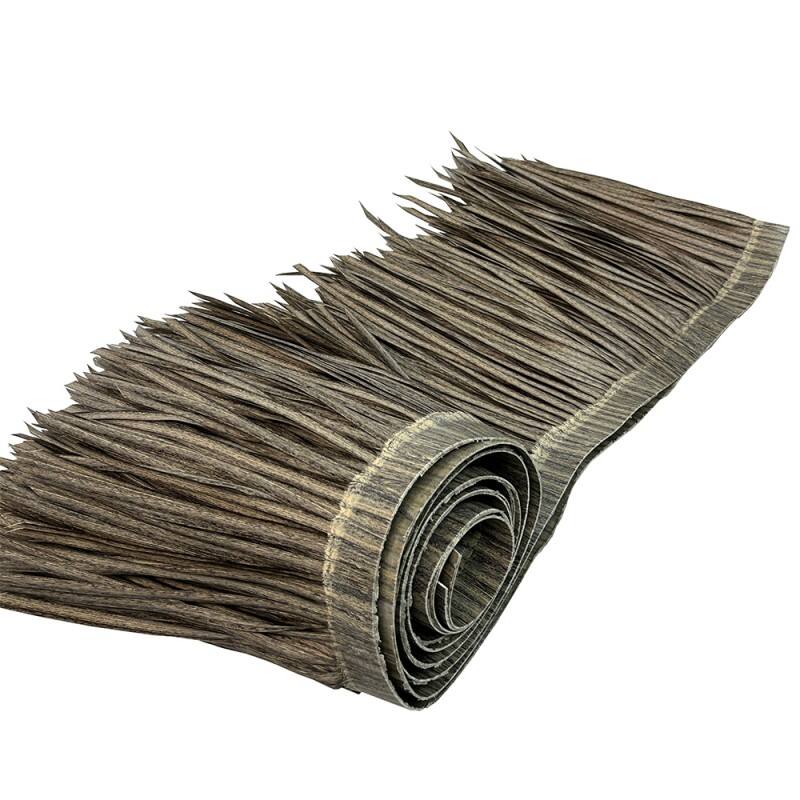
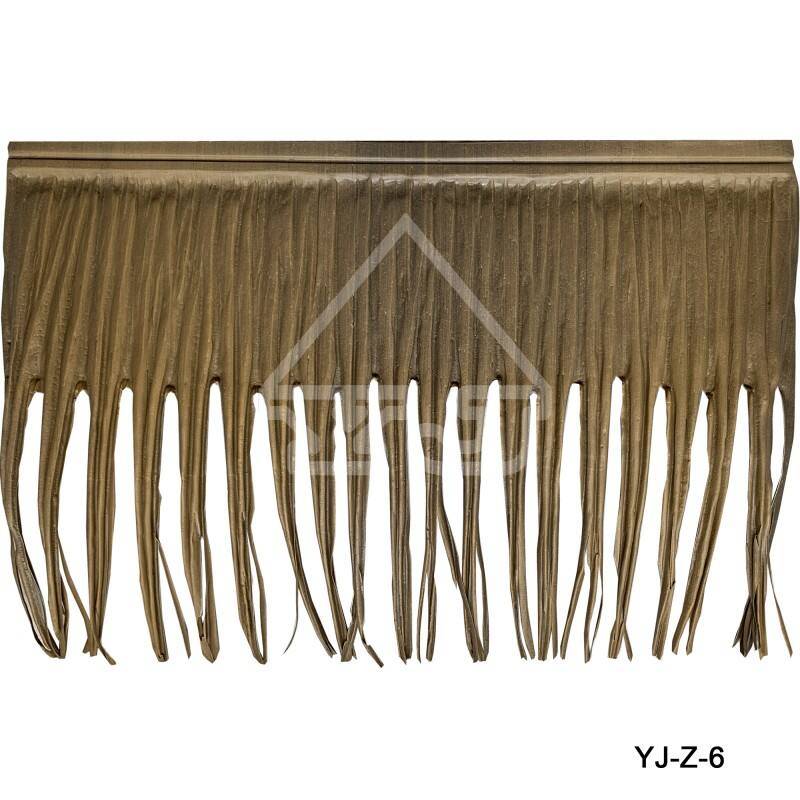
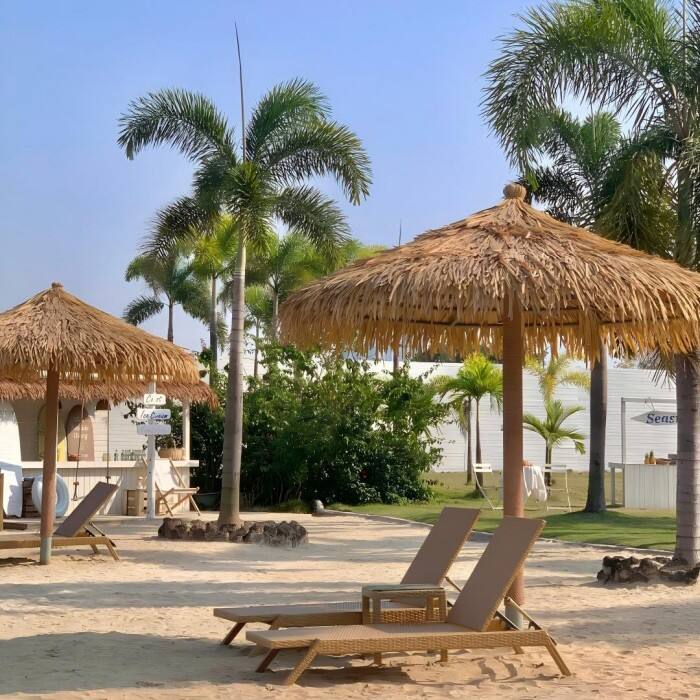
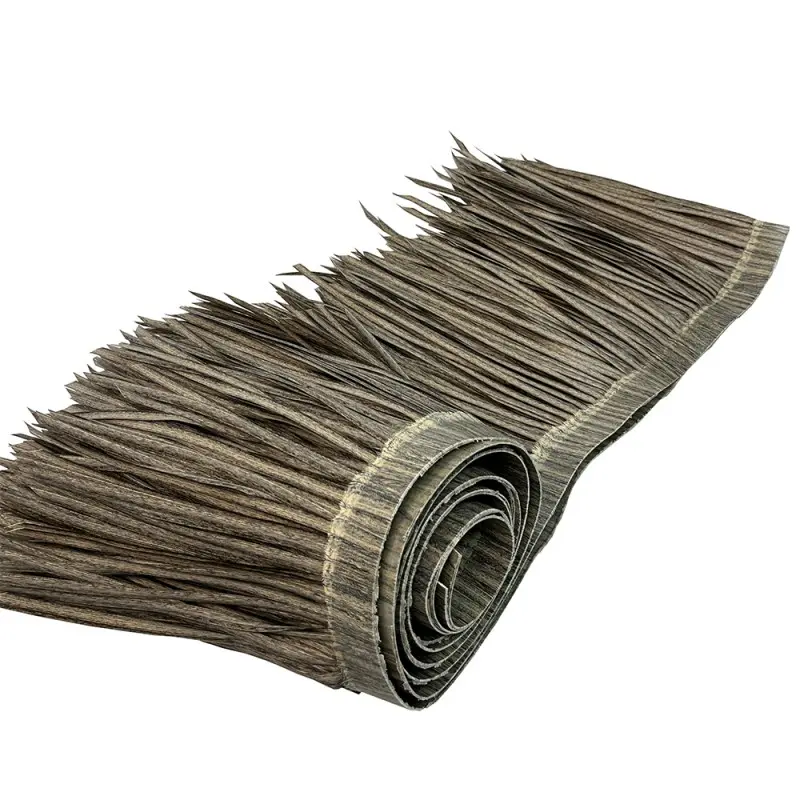
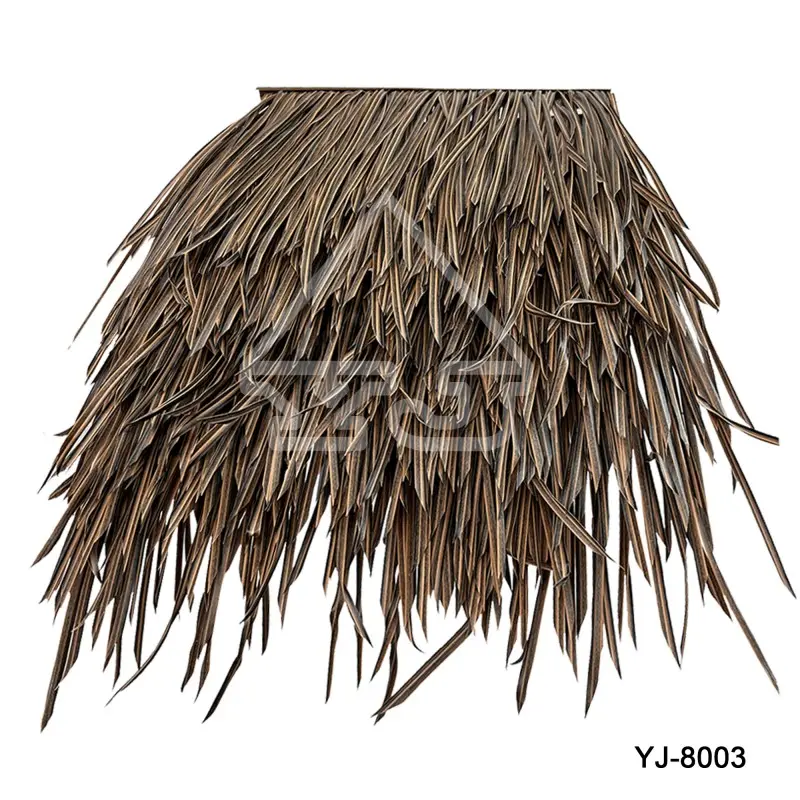
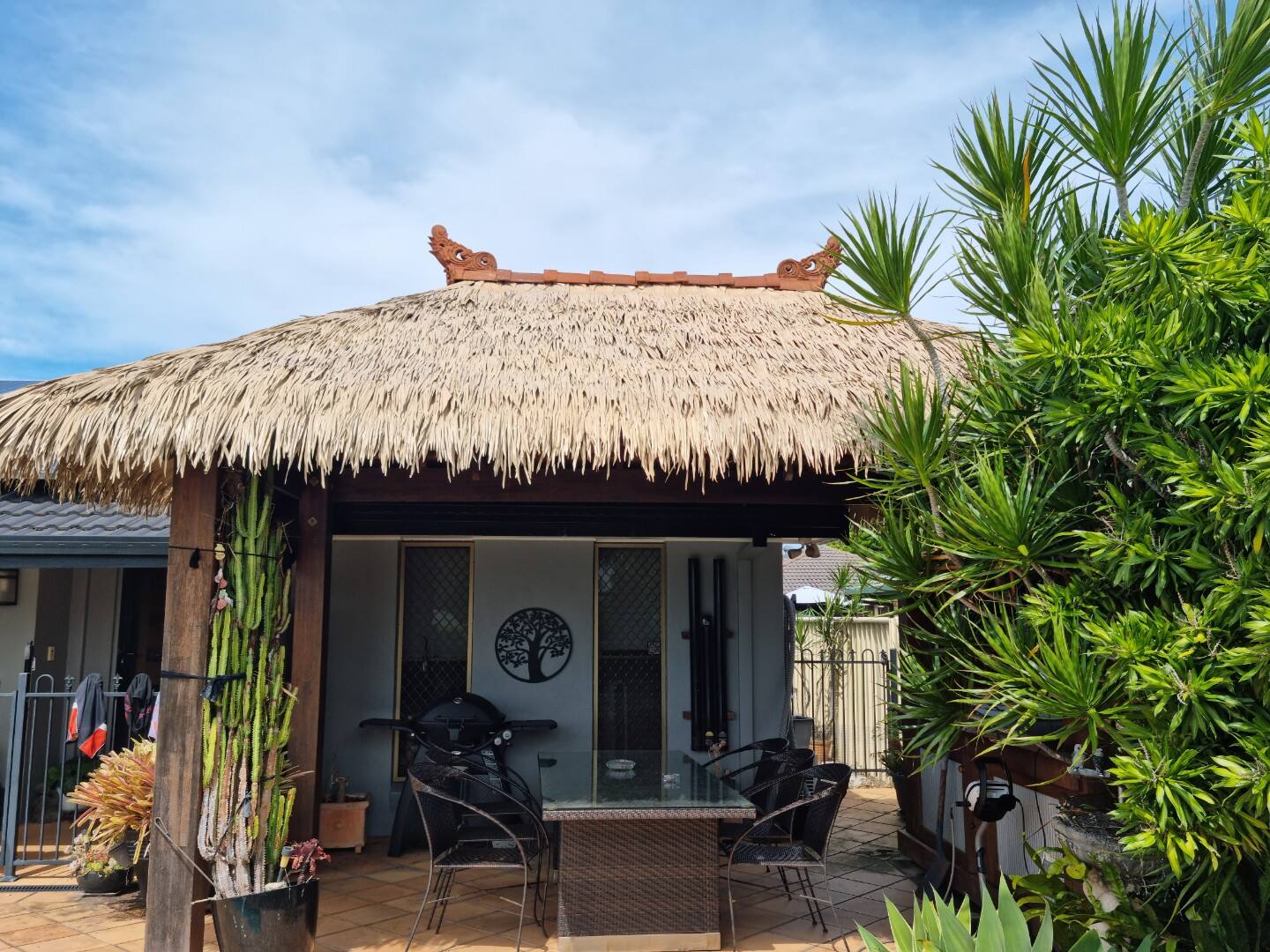
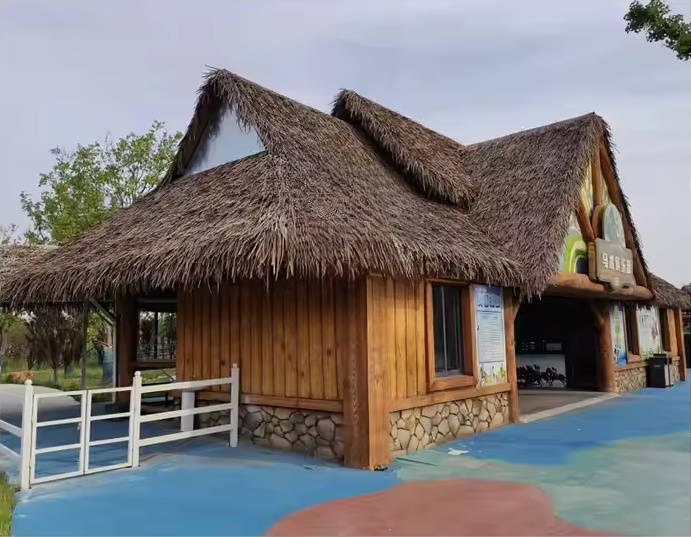
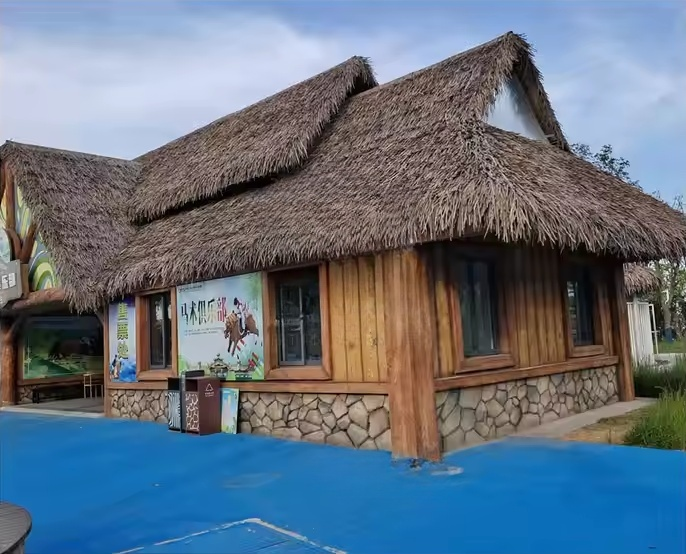
When evaluating synthetic vs natural thatch durability, property owners face a critical decision that impacts both aesthetics and long-term investment value. Natural thatch, traditionally crafted from water reed, wheat straw, or palm fronds, has adorned rooftops for centuries, offering authentic rustic charm and excellent insulation properties. However, synthetic vs natural thatch durability reveals significant differences in performance characteristics. Natural thatch typically lasts 10-15 years in optimal conditions, requiring skilled craftsmen for installation and maintenance. Its organic composition makes it susceptible to weather damage, pest infiltration, and fire hazards. Conversely, synthetic thatch materials utilize advanced polymer technologies and UV-resistant compounds to simulate natural appearance while delivering superior longevity. These engineered materials resist moisture penetration, eliminate pest problems, and maintain structural integrity for 20-30 years without replacement. The technological features of synthetic thatch include fire-retardant additives, antimicrobial treatments, and color-fast pigments that prevent fading. Manufacturing processes employ injection molding and extrusion techniques to create realistic textures mimicking natural fibers. Applications span residential homes, commercial resorts, theme parks, and entertainment venues seeking tropical aesthetics without maintenance burdens. Installation systems feature interlocking designs and standardized fastening methods, reducing labor costs and installation time. Natural thatch applications remain popular in heritage buildings, eco-tourism facilities, and regions where traditional materials are readily available. Both options serve primary functions of weather protection, thermal insulation, and architectural enhancement, but synthetic vs natural thatch durability considerations often favor synthetic materials for modern construction projects requiring predictable performance and minimal upkeep requirements.

New Products

Understanding synthetic vs natural thatch durability advantages helps property owners make informed decisions based on practical benefits and long-term value propositions. Synthetic thatch delivers exceptional weather resistance, withstanding hurricane-force winds, heavy rainfall, and extreme temperature fluctuations without degradation. This superior durability eliminates costly repairs and replacements that plague natural thatch installations every decade. Fire safety represents another crucial advantage, as synthetic materials incorporate flame-retardant chemicals that meet stringent building codes, while natural thatch poses significant fire risks requiring expensive sprinkler systems and insurance premiums. Pest control becomes effortless with synthetic options, as insects, rodents, and birds cannot nest or feed on artificial materials, eliminating structural damage and health hazards associated with infestations. Maintenance requirements drop dramatically, requiring only periodic cleaning with standard pressure washing equipment instead of specialized thatching skills and seasonal repairs. Color consistency remains stable throughout the product lifespan, as UV-resistant formulations prevent fading and discoloration that affects natural materials within months of installation. Installation flexibility allows synthetic thatch to adapt to various architectural styles and complex roof geometries without material waste or structural modifications. Cost-effectiveness emerges through reduced labor expenses, as synthetic materials install faster using conventional roofing techniques rather than specialized thatching craftsmanship. Environmental benefits include eliminating harvest pressures on natural reed beds and reducing transportation emissions from distant material sources. Warranty coverage typically extends 15-25 years for synthetic products compared to minimal guarantees on natural thatch. Regional availability ensures consistent supply chains without seasonal shortages or quality variations affecting natural materials. Insurance benefits include reduced premiums due to lower fire risks and storm damage potential. Temperature regulation remains effective through engineered air gaps and thermal barriers, matching natural thatch insulation properties while preventing moisture-related problems that compromise natural material performance over time.

Latest News

How to Choose a High-Quality Synthetic Thatch Roof for Commercial Projects

24

Nov

How to Choose a High-Quality Synthetic Thatch Roof for Commercial Projects

Selecting the right roofing material for commercial projects requires careful consideration of durability, aesthetics, and long-term performance. A synthetic thatch roof offers an ideal solution for businesses seeking the authentic appearance of trad...
View More
Trends in Using Rattan Weave Materials for Furniture and Roof Decoration

06

Nov

Trends in Using Rattan Weave Materials for Furniture and Roof Decoration

The design world is experiencing a remarkable renaissance in natural materials, with rattan weave materials emerging as a dominant force in contemporary furniture and architectural applications. This revival represents more than just aesthetic prefer...
View More
Applications of Cottage Thatched in Rural Vacation Homes

23

Dec

Applications of Cottage Thatched in Rural Vacation Homes

Rural vacation homes have experienced a remarkable resurgence as travelers seek authentic experiences away from bustling urban centers. Among the most captivating architectural elements that define these retreats is the traditional cottage thatched r...
View More
Performance Differences Between Synthetic Thatch and Natural Thatch

11

Dec

Performance Differences Between Synthetic Thatch and Natural Thatch

Traditional thatched roofing has evolved significantly over the centuries, transitioning from purely natural materials to innovative synthetic alternatives that offer enhanced durability and performance. Modern construction projects increasingly face...
View More

Get a Free Quote

Our representative will contact you soon.
Email
Name
Company Name
Message
0/1000

synthetic vs natural thatch durability

Superior Longevity and Weather Performance

Superior Longevity and Weather Performance

The most compelling aspect of synthetic vs natural thatch durability lies in the remarkable longevity differential between these roofing solutions. Synthetic thatch materials demonstrate exceptional resistance to environmental stressors that rapidly degrade natural alternatives. Advanced polymer formulations incorporate UV stabilizers, impact modifiers, and weathering agents that maintain structural integrity for decades. Laboratory testing reveals synthetic thatch withstands over 2,000 freeze-thaw cycles without cracking, while natural materials deteriorate after fewer than 500 cycles. Hurricane simulation studies show synthetic products maintain wind resistance up to 180 mph, compared to natural thatch failure at 120 mph winds. This enhanced durability stems from engineered molecular structures that resist oxidation, moisture absorption, and thermal expansion. Manufacturing processes create uniform density and consistent material properties impossible to achieve with organic fibers. Quality control ensures every synthetic thatch bundle meets identical specifications, eliminating weak points that compromise natural material installations. Field performance data from tropical resort installations demonstrates synthetic thatch maintaining original appearance and functionality after 25 years of exposure to salt spray, intense UV radiation, and daily temperature swings exceeding 40 degrees. Natural thatch in identical conditions requires complete replacement every 8-12 years due to fiber degradation and structural failure. The economic impact proves substantial, as property owners avoid repeated installation costs, temporary relocation expenses, and business interruption losses. Insurance companies recognize this durability advantage through reduced premiums and extended coverage terms for synthetic installations. Professional roofers prefer synthetic materials due to predictable performance characteristics and reduced callback service requirements that affect profitability and reputation in competitive markets.
Fire Safety and Building Code Compliance

Fire Safety and Building Code Compliance

Fire safety considerations make synthetic vs natural thatch durability a critical factor for property protection and regulatory compliance. Natural thatch materials present inherent combustion risks due to their organic composition and fibrous structure that promotes rapid flame spread. Historical data reveals thatched buildings experience fire incidents at rates five times higher than conventional roofing materials. Synthetic thatch manufacturers address these concerns through advanced flame-retardant technologies that exceed international safety standards. Chemical additives create endothermic reactions during heating, absorbing thermal energy and releasing water vapor that suppresses combustion. Self-extinguishing properties ensure flames cannot propagate across synthetic surfaces, limiting fire damage to ignition points. Building inspectors increasingly require fire-rated roofing materials in commercial applications, making natural thatch installations problematic for permits and certificates of occupancy. Synthetic alternatives achieve Class A fire ratings through rigorous testing protocols that measure flame spread, smoke development, and heat transmission characteristics. Insurance underwriters recognize these safety advantages through substantial premium reductions, often offsetting initial material cost differences within five years. Fire department response procedures differ significantly between materials, as natural thatch fires require specialized suppression techniques and extended monitoring periods due to deep-seated combustion risks. Synthetic materials allow standard firefighting approaches with predictable extinguishment outcomes. Legal liability concerns favor synthetic installations in commercial properties where guest safety and property preservation create significant exposure risks. Building code evolution increasingly restricts natural thatch applications in urban environments and high-density developments. Synthetic alternatives enable compliance with modern safety requirements while maintaining desired aesthetic appearances. Property managers appreciate reduced fire watch requirements and simplified emergency procedures associated with synthetic installations, translating to lower operational costs and improved guest confidence in hospitality applications.
Maintenance-Free Performance and Cost Effectiveness

Maintenance-Free Performance and Cost Effectiveness

The maintenance aspects of synthetic vs natural thatch durability reveal dramatic differences in ongoing care requirements and associated costs. Natural thatch demands specialized maintenance expertise unavailable in many regions, requiring imported craftsmen familiar with traditional techniques. Annual inspections identify loose bundles, pest damage, and weather-related deterioration requiring immediate attention to prevent structural compromise. Repair materials must match existing thatch varieties, creating supply chain challenges and inventory management complexities. Seasonal maintenance schedules include ridge capping repairs, snow load management, and storm damage assessments that require professional expertise and expensive equipment. Synthetic thatch eliminates these maintenance burdens through engineered stability and self-cleaning properties. Rain naturally removes accumulated debris, while UV-resistant surfaces prevent degradation and discoloration. Pressure washing every 2-3 years maintains optimal appearance without specialized tools or materials. No skilled craftsmen are required for routine maintenance, allowing property staff to handle basic cleaning procedures. Warranty coverage includes maintenance guidelines that property owners can easily follow without voiding protection terms. Cost analysis reveals maintenance savings exceed initial material differences within eight years of installation. Natural thatch requires annual maintenance budgets ranging from $2-5 per square foot, while synthetic alternatives need minimal care costing under $0.50 per square foot annually. Labor availability issues plague natural thatch maintenance, as qualified thatchers become increasingly rare in developed markets. Training replacement craftsmen requires years of apprenticeship and cultural knowledge transfer that many regions cannot support. Synthetic materials utilize conventional roofing maintenance approaches familiar to local contractors and building maintenance staff. Emergency repairs become manageable with synthetic materials, as standardized components and installation methods enable quick restoration after storm damage or other incidents affecting property operations and guest satisfaction in commercial applications.

Get a Free Quote

Our representative will contact you soon.
Email
Name
Company Name
Message
0/1000