Thatched Cottage House: Traditional Charm Meets Modern Sustainable Living

Get a Free Quote

Our representative will contact you soon.
Email
Name
Company Name
Message
0/1000

thatched cottage house

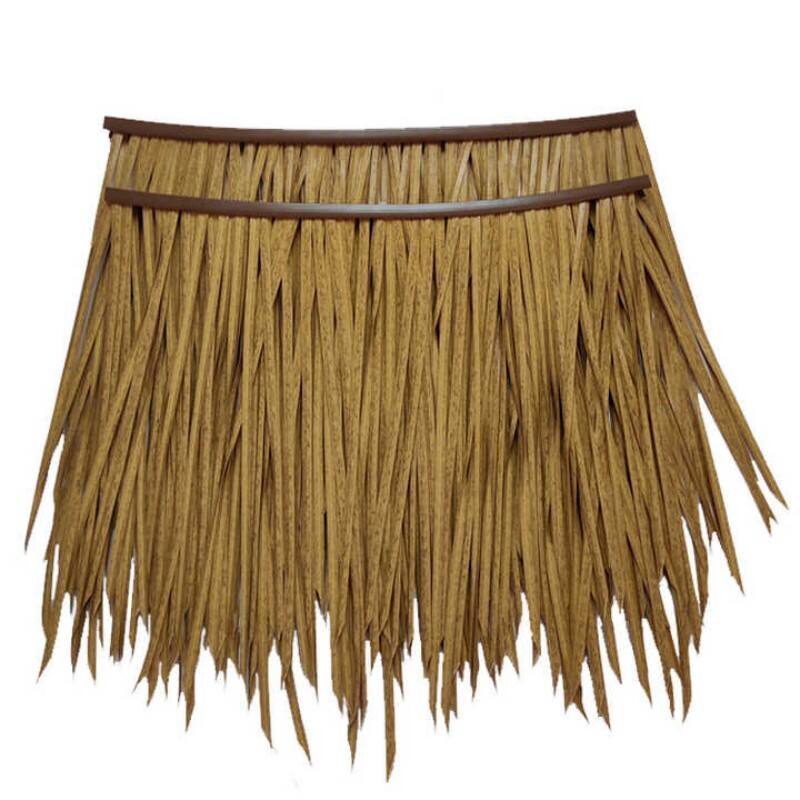
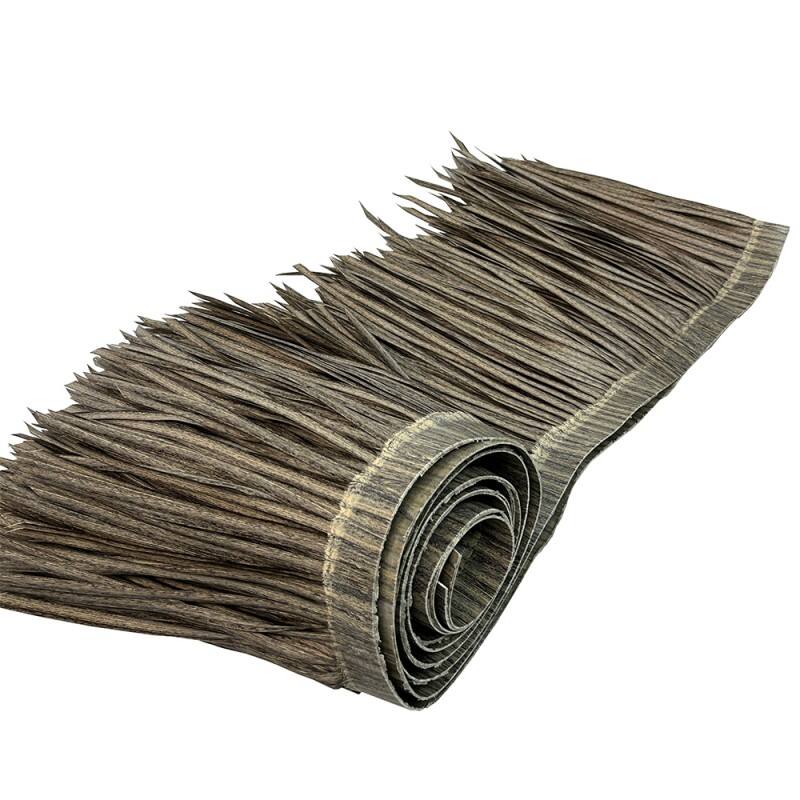
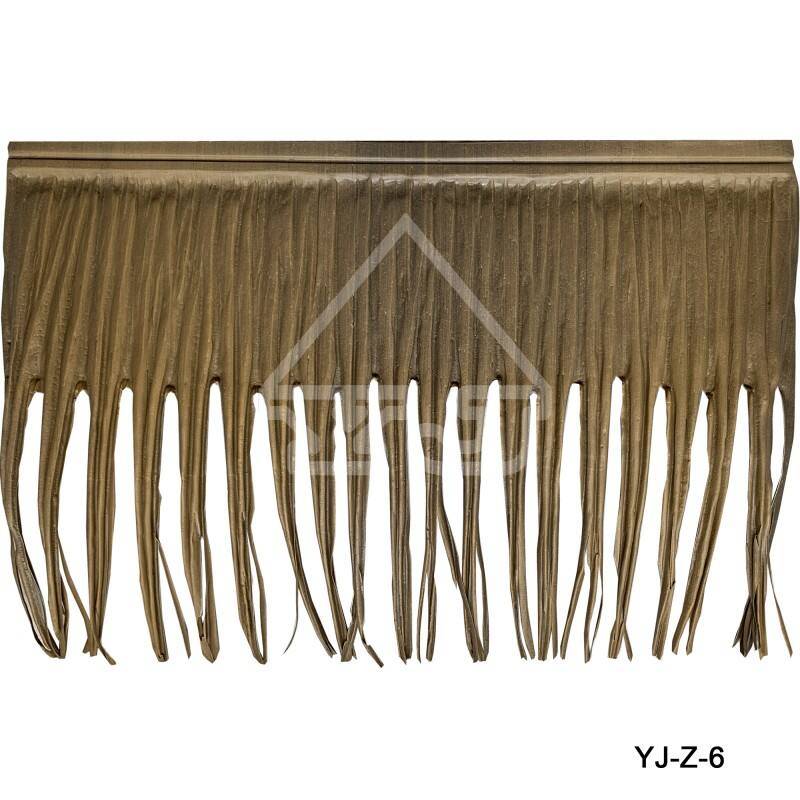
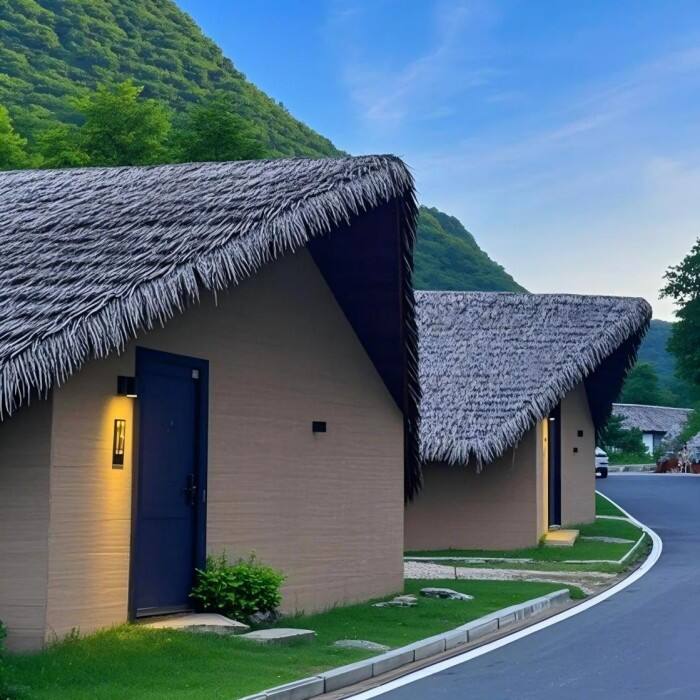
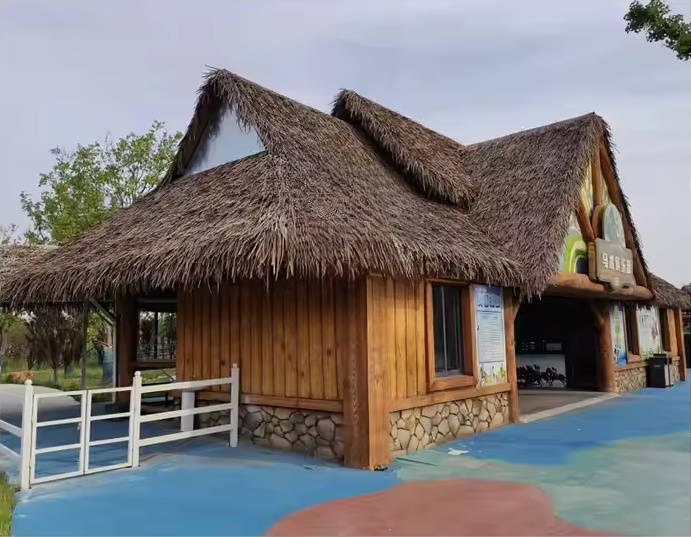
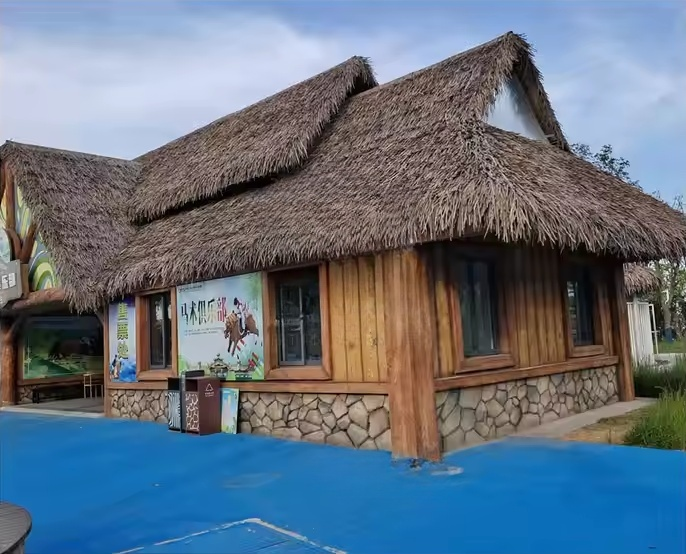
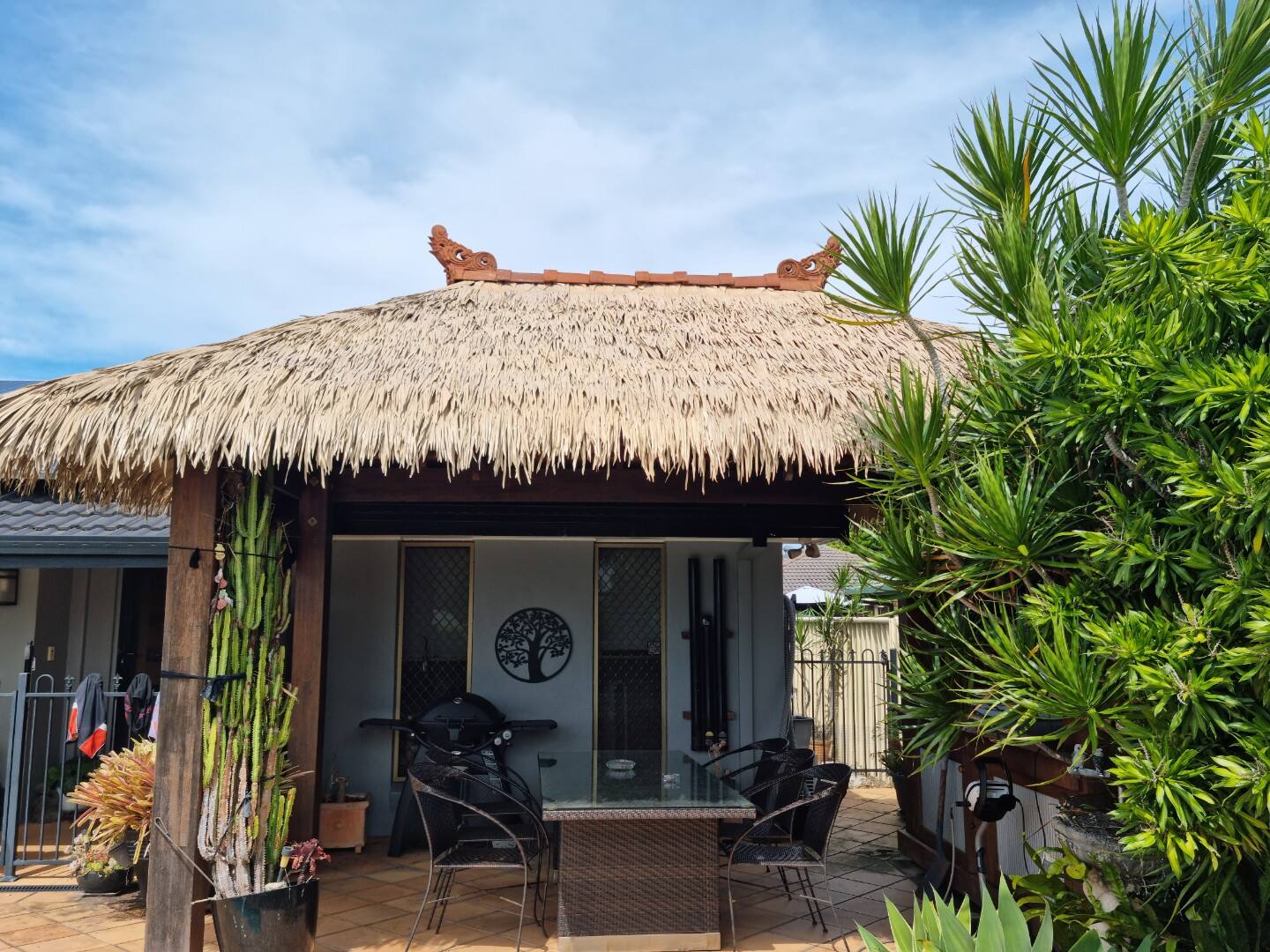
A thatched cottage house represents a timeless architectural style that combines traditional craftsmanship with modern living requirements. This distinctive dwelling features a roof constructed from dry vegetation materials, primarily straw, water reed, sedge, or rushes, creating a natural insulation system that has protected homes for centuries. The thatched cottage house structure typically incorporates thick walls made from stone, cob, or timber framing with wattle and daub infill, providing exceptional thermal mass properties. The main functions of a thatched cottage house extend beyond basic shelter to encompass sustainable living, energy efficiency, and cultural preservation. These homes serve as residential spaces that naturally regulate temperature, maintain humidity levels, and create healthy indoor environments through breathable materials. The technological features of a thatched cottage house include advanced layering techniques in roof construction, where skilled craftsmen arrange thatch materials in overlapping patterns that shed water effectively while allowing moisture to escape. The steep roof pitch, typically between 45-50 degrees, ensures proper drainage and longevity of the thatching materials. Modern thatched cottage house designs integrate contemporary amenities such as electrical systems, plumbing, and heating while maintaining traditional aesthetics. Applications for thatched cottage houses span residential properties, heritage tourism accommodation, eco-friendly retreats, and cultural demonstration centers. These structures excel in rural settings, historical districts, and environmentally conscious communities. The thatched cottage house construction process involves specialized techniques passed down through generations, requiring expertise in material selection, preparation, and installation. Contemporary applications include vacation rentals, permanent residences, and educational facilities that showcase traditional building methods while meeting current safety and comfort standards.

New Product Recommendations

The thatched cottage house offers numerous practical advantages that make it an attractive housing option for environmentally conscious homeowners and those seeking unique architectural character. Energy efficiency stands as a primary benefit, as the thick thatch layer provides superior insulation properties that significantly reduce heating and cooling costs throughout the year. The natural materials used in thatched cottage house construction create excellent thermal performance, maintaining comfortable interior temperatures even during extreme weather conditions. This insulation capability translates to lower energy bills and reduced carbon footprint, making the thatched cottage house an economically and environmentally sound investment. Durability represents another significant advantage, with properly maintained thatch roofs lasting 25-30 years for straw and up to 60 years for water reed varieties. The thatched cottage house structure demonstrates remarkable resilience against weather elements when constructed using traditional techniques and quality materials. Maintenance costs remain reasonable when spread across the roof's lifespan, and partial repairs can extend the overall longevity without complete replacement. The natural breathability of thatched cottage house materials creates healthier indoor air quality by regulating humidity levels and preventing condensation-related issues such as mold and dampness. This ventilation characteristic eliminates the need for mechanical air circulation systems, reducing both installation and operational expenses. Aesthetic appeal provides substantial property value enhancement, as thatched cottage houses command premium prices in real estate markets due to their distinctive character and historical significance. These properties attract buyers seeking authentic charm and connection to architectural heritage. The thatched cottage house design integrates seamlessly with natural landscapes, creating harmonious relationships between structure and environment. Sound insulation qualities of thatch materials provide peaceful living environments by dampening external noise, particularly beneficial in rural settings or areas with moderate traffic. Flexibility in design allows thatched cottage house owners to customize layouts while maintaining traditional external appearance, accommodating modern lifestyle requirements within historical frameworks.

Practical Tips

How Material Choices Affect the Durability and Appearance of Synthetic Thatch

18

Nov

How Material Choices Affect the Durability and Appearance of Synthetic Thatch

The selection of materials in synthetic thatch manufacturing plays a crucial role in determining both the longevity and aesthetic appeal of these roofing solutions. Modern synthetic thatch products have revolutionized the construction industry by off...
View More
What Are the Trends in Cottage Thatched Construction for 2025

25

Dec

What Are the Trends in Cottage Thatched Construction for 2025

The cottage thatched construction industry is experiencing a remarkable transformation as we approach 2025, with innovative materials and sustainable practices reshaping traditional building methods. Modern homeowners and resort developers are increa...
View More
Performance Differences Between Synthetic Thatch and Natural Thatch

11

Dec

Performance Differences Between Synthetic Thatch and Natural Thatch

Traditional thatched roofing has evolved significantly over the centuries, transitioning from purely natural materials to innovative synthetic alternatives that offer enhanced durability and performance. Modern construction projects increasingly face...
View More
Fire-Resistant and Waterproof Advantages of Synthetic Thatch Roof

05

Dec

Fire-Resistant and Waterproof Advantages of Synthetic Thatch Roof

Modern construction materials have revolutionized the roofing industry, offering innovative solutions that combine traditional aesthetics with contemporary performance standards. The synthetic thatch roof represents one of the most significant advanc...
View More

Get a Free Quote

Our representative will contact you soon.
Email
Name
Company Name
Message
0/1000

thatched cottage house

Superior Natural Insulation and Energy Performance

Superior Natural Insulation and Energy Performance

The thatched cottage house delivers exceptional thermal performance through its innovative natural insulation system that surpasses many modern building materials in both effectiveness and sustainability. The thick thatch layer, typically measuring 12-15 inches in depth, creates a comprehensive barrier that prevents heat loss during winter months and blocks excessive heat gain during summer periods. This natural insulation system works through trapped air pockets within the layered vegetation, forming a highly effective thermal barrier that maintains consistent indoor temperatures year-round. The thatched cottage house insulation properties result from the unique structure of thatch materials, where overlapping stems and leaves create multiple air chambers that resist heat transfer. Unlike synthetic insulation materials that may degrade over time, the natural thatch in a thatched cottage house actually improves its insulation qualities as it settles and compacts, creating denser air pockets that enhance thermal resistance. Homeowners experience significant energy savings, often reducing heating costs by 30-40% compared to conventionally insulated homes of similar size. The thatched cottage house thermal mass, created by thick walls combined with the insulating roof system, moderates temperature fluctuations throughout the day, reducing the need for mechanical heating and cooling systems. This natural temperature regulation creates comfortable living environments that respond gradually to external weather changes, eliminating the rapid temperature swings common in modern construction. The breathable nature of thatched cottage house materials allows moisture vapor to pass through while maintaining thermal barriers, preventing condensation issues that plague tightly sealed modern buildings. This moisture management capability eliminates the need for expensive ventilation systems while maintaining healthy indoor air quality. The long-term economic benefits of choosing a thatched cottage house include reduced energy consumption, lower utility bills, and minimal need for additional insulation upgrades, providing substantial savings over the building's lifetime while supporting environmentally responsible living practices.
Authentic Architectural Character and Premium Property Value

Authentic Architectural Character and Premium Property Value

The thatched cottage house represents an unparalleled investment in architectural authenticity that significantly enhances property values while providing owners with distinctive living spaces that cannot be replicated through modern construction methods. This unique housing style creates immediate curb appeal that attracts potential buyers and commands premium prices in competitive real estate markets, often selling for 15-25% above comparable properties in the same area. The thatched cottage house aesthetic appeal stems from its organic integration with natural surroundings, creating picturesque settings that photograph beautifully and provide year-round visual interest through seasonal changes in thatch coloration and texture. Property investors recognize thatched cottage houses as stable investments due to their rarity and cultural significance, with values typically appreciating faster than conventional homes in desirable locations. The craftsmanship required for thatched cottage house construction represents centuries of accumulated knowledge and skill, creating structures that embody human artistry and connection to traditional building practices. This authenticity appeals to buyers seeking homes with character, history, and cultural significance that mass-produced housing cannot provide. The thatched cottage house design flexibility allows owners to customize interiors while maintaining external historical appearance, enabling modern amenities within traditional frameworks that satisfy contemporary lifestyle requirements. Marketing advantages include strong appeal to heritage tourism markets, where thatched cottage house properties serve as vacation rentals commanding premium rates due to their unique accommodation experiences. The photogenic qualities of thatched cottage houses make them highly desirable for social media sharing, increasing visibility and demand among younger demographics seeking Instagram-worthy living spaces. Insurance companies increasingly recognize well-maintained thatched cottage house properties as lower fire risks than previously assumed, with modern fire prevention measures and proper maintenance protocols reducing insurance premiums. The exclusivity factor associated with thatched cottage house ownership provides social prestige and conversation value that enhances quality of life beyond mere financial considerations, creating homes that serve as expressions of personal values and aesthetic preferences.
Sustainable Construction and Environmental Responsibility

Sustainable Construction and Environmental Responsibility

The thatched cottage house exemplifies sustainable construction practices that align with contemporary environmental consciousness while utilizing renewable materials and time-tested building techniques that minimize ecological impact throughout the structure's lifecycle. This environmentally responsible approach begins with material sourcing, as thatched cottage house construction relies on locally harvested vegetation such as wheat straw, water reed, and sedge that regenerate annually without depleting natural resources. The carbon footprint of a thatched cottage house remains significantly lower than conventional construction, as thatch materials sequester carbon dioxide during growth and require minimal processing before installation. Transportation emissions stay minimal due to local sourcing practices, with most thatching materials harvested within 50 miles of construction sites, supporting regional economies while reducing environmental impact. The thatched cottage house construction process generates minimal waste, as natural materials can be composted or returned to agricultural use at the end of their service life, contrasting sharply with synthetic building materials that create long-lasting landfill burdens. Biodiversity benefits emerge from thatched cottage house roof ecosystems, where various insects, birds, and small mammals find shelter within the thatch layers, creating micro-habitats that support local wildlife populations. The natural aging process of thatched cottage house materials creates beautiful patina effects that enhance aesthetic appeal over time, unlike synthetic materials that deteriorate and require replacement or refinishing. Water management capabilities of thatched cottage house roofs include natural filtration and gradual release systems that reduce stormwater runoff while supporting groundwater recharge in surrounding areas. The thermal performance of thatched cottage house construction reduces reliance on fossil fuel heating systems, supporting renewable energy integration and off-grid living possibilities for environmentally conscious homeowners. Maintenance practices for thatched cottage house properties utilize traditional tools and techniques that require minimal energy consumption while preserving craft skills and cultural knowledge. The longevity of properly constructed thatched cottage house structures demonstrates sustainable building principles, with some examples remaining habitable for several centuries when maintained using appropriate methods and materials.

Get a Free Quote

Our representative will contact you soon.
Email
Name
Company Name
Message
0/1000