Thatched Roof Hut: Sustainable, Cost-Effective Traditional Housing Solutions

Get a Free Quote

Our representative will contact you soon.
Email
Name
Company Name
Message
0/1000

thatched roof hut

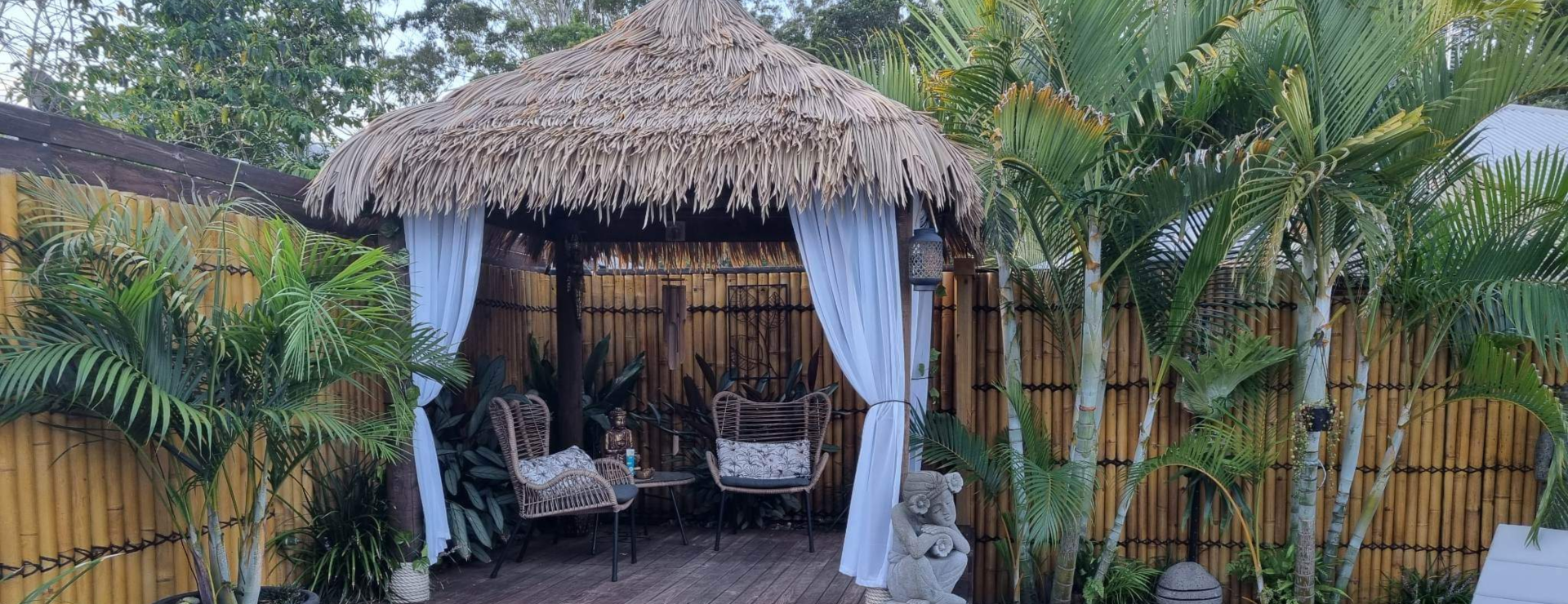
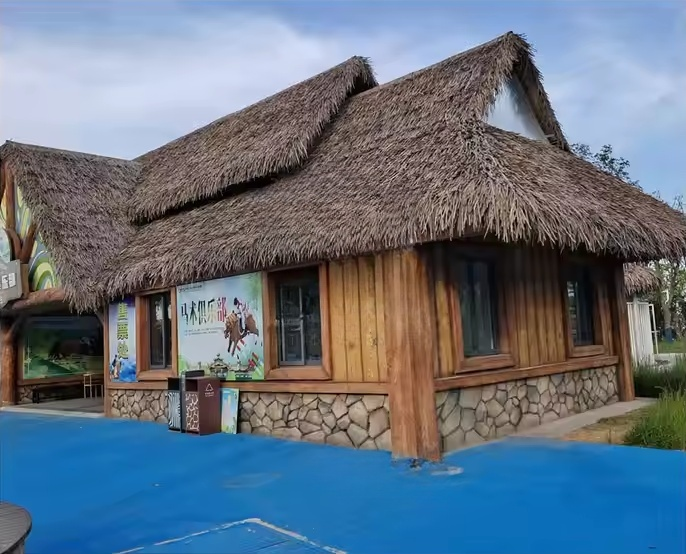
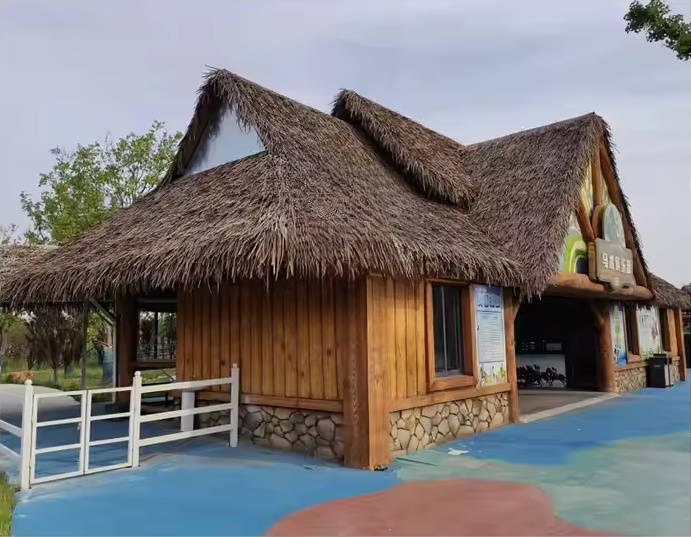
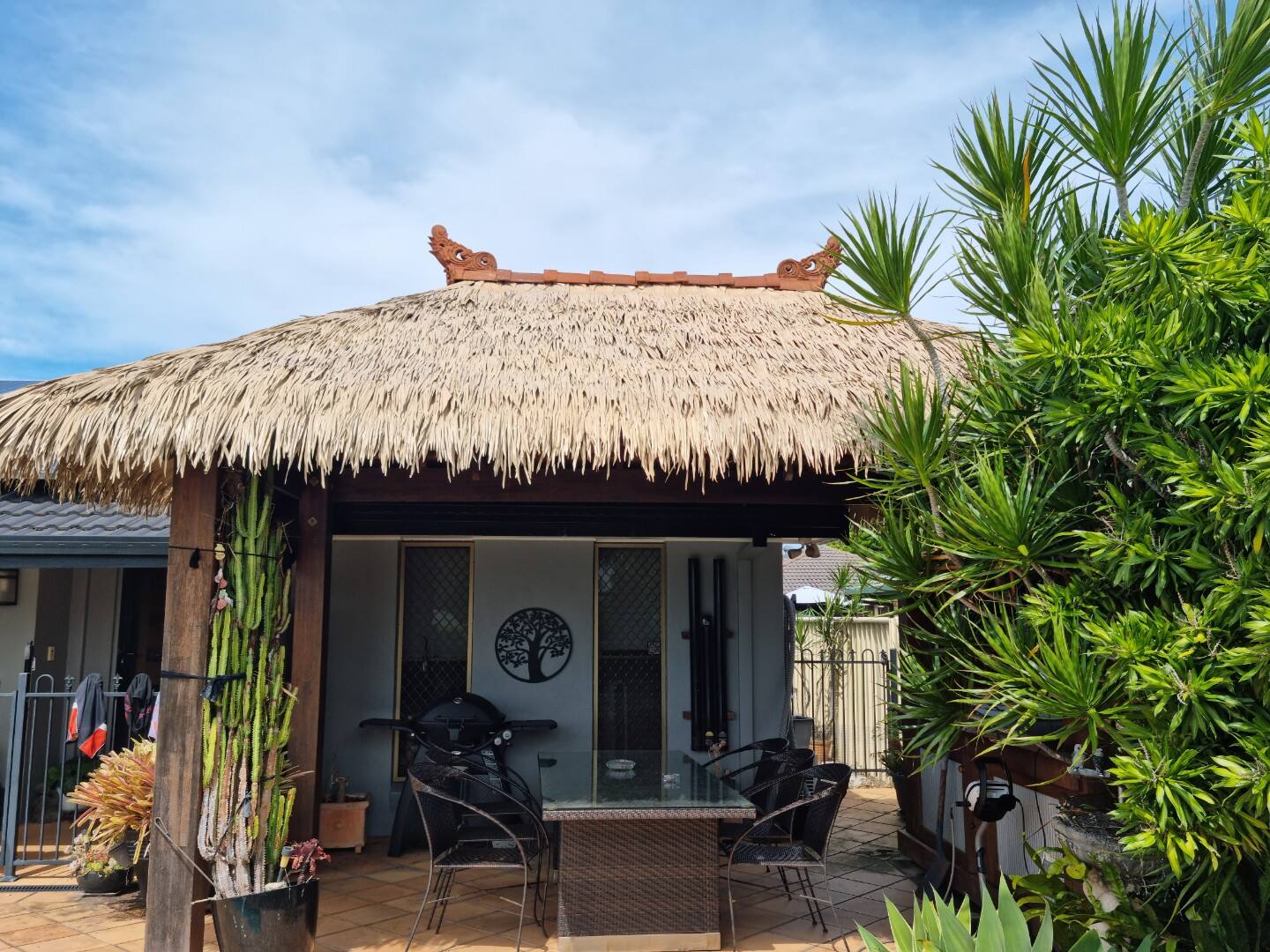
The thatched roof hut represents a time-honored architectural solution that combines traditional craftsmanship with practical living spaces. These structures feature roofs constructed from organic materials such as straw, reed, palm leaves, or grass, creating distinctive dwellings that have sheltered communities for thousands of years. The thatched roof hut serves multiple functions, from residential housing to temporary shelters, agricultural storage facilities, and recreational retreats. The technological features of a thatched roof hut center around its ingenious design principles that maximize natural ventilation, insulation, and weather protection. The layered thatching material creates air pockets that provide excellent thermal regulation, keeping interiors cool during summer months and warm in winter conditions. The steep-angled roof design ensures efficient water drainage while preventing moisture accumulation within the structure. Construction techniques involve careful placement of thatching materials in overlapping layers, secured with traditional binding methods that have proven their effectiveness across generations. Applications for the thatched roof hut span diverse settings and purposes. Rural communities worldwide utilize these structures as primary residences, taking advantage of locally available materials and cost-effective construction methods. Tourism industries incorporate thatched roof huts as authentic accommodation options, offering visitors unique cultural experiences. Agricultural sectors employ these buildings for equipment storage, livestock shelter, and crop protection. Modern applications include eco-friendly vacation rentals, meditation retreats, and sustainable living demonstrations. The versatility of the thatched roof hut makes it suitable for temporary housing during emergencies, educational outdoor programs, and cultural preservation initiatives. Contemporary architects increasingly recognize the value of incorporating thatched roof hut principles into sustainable design projects, adapting ancient wisdom for modern environmental challenges.

New Products

The thatched roof hut offers remarkable advantages that make it an attractive housing solution for diverse circumstances and budgets. Natural insulation properties stand out as a primary benefit, with the organic thatching materials creating effective thermal barriers that reduce energy consumption for heating and cooling. This natural climate control translates into significant cost savings on utility bills while maintaining comfortable indoor temperatures year-round. Environmental sustainability represents another compelling advantage of the thatched roof hut. Construction materials are typically sourced locally, reducing transportation costs and carbon footprints associated with building projects. The biodegradable nature of thatching materials means these structures leave minimal environmental impact when eventually replaced or renovated. Cost-effectiveness makes the thatched roof hut accessible to individuals with limited construction budgets. Local materials often cost substantially less than manufactured roofing products, and traditional building techniques require fewer specialized tools and equipment. The construction process can involve community participation, further reducing labor expenses while strengthening social bonds. Durability proves surprising to many people unfamiliar with properly maintained thatched roof hut construction. Quality thatching can last 15-30 years with appropriate care, and individual sections can be repaired or replaced without major structural work. The flexible nature of thatched materials allows the roof to move with wind and weather changes, reducing stress fractures common in rigid roofing systems. Aesthetic appeal cannot be overlooked when considering the thatched roof hut advantages. These structures create charming, rustic appearances that blend harmoniously with natural landscapes. The organic textures and earth-tone colors provide visual warmth that many homeowners find more appealing than conventional roofing materials. Cultural significance adds intangible value to thatched roof hut ownership. These buildings connect residents with ancestral traditions and time-tested building practices that carry historical importance. For tourism applications, the authentic cultural experience attracts visitors seeking genuine connections with traditional lifestyles. Health benefits emerge from the breathable nature of thatched roofing systems. Unlike synthetic materials that can trap moisture and promote mold growth, properly constructed thatched roof huts allow natural air circulation that maintains healthier indoor environments. The absence of chemical treatments in traditional thatching materials eliminates exposure to potentially harmful substances.

Latest News

How to Enhance Commercial Building Durability with Synthetic Palm Leaf Thatch

27

Nov

How to Enhance Commercial Building Durability with Synthetic Palm Leaf Thatch

Commercial buildings in tropical and subtropical regions face unique challenges when it comes to maintaining aesthetic appeal while ensuring long-term durability. Traditional roofing and decorative materials often fall short when exposed to intense U...
View More
How to Evaluate Cost-Effectiveness of Artificial Thatch Roof for Commercial Projects

12

Nov

How to Evaluate Cost-Effectiveness of Artificial Thatch Roof for Commercial Projects

Commercial property developers and architects increasingly turn to alternative roofing solutions that combine aesthetic appeal with long-term durability. The artificial thatch roof has emerged as a compelling option for tropical resorts, entertainmen...
View More
Trends in Using Rattan Weave Materials for Furniture and Roof Decoration

06

Nov

Trends in Using Rattan Weave Materials for Furniture and Roof Decoration

The design world is experiencing a remarkable renaissance in natural materials, with rattan weave materials emerging as a dominant force in contemporary furniture and architectural applications. This revival represents more than just aesthetic prefer...
View More
Durability and Maintenance Methods of Rattan Weave

17

Dec

Durability and Maintenance Methods of Rattan Weave

Rattan weave has emerged as one of the most sought-after materials in contemporary architecture and interior design, offering a perfect blend of natural aesthetics and functional durability. This versatile material combines traditional craftsmanship ...
View More

Get a Free Quote

Our representative will contact you soon.
Email
Name
Company Name
Message
0/1000

thatched roof hut

Superior Natural Insulation and Climate Control

Superior Natural Insulation and Climate Control

The exceptional insulation capabilities of a thatched roof hut stem from the unique properties of organic thatching materials and their innovative layering techniques. Unlike conventional roofing materials that conduct heat and cold, thatch creates multiple air pockets within its structure that act as natural thermal barriers. This sophisticated insulation system maintains comfortable interior temperatures regardless of external weather conditions, making the thatched roof hut an energy-efficient housing solution. The layered construction method involves placing thatching materials in overlapping sequences that trap air between individual strands and bundles. This air-trapping mechanism provides insulation values comparable to modern synthetic materials while utilizing completely renewable resources. During summer months, the thatched roof hut remains significantly cooler than structures with metal or asphalt roofing, as the organic materials do not absorb and radiate heat like manufactured alternatives. Conversely, winter conditions reveal the warming properties of thatch, which retains heat generated within the building while preventing cold air infiltration. The natural ventilation characteristics of a thatched roof hut contribute to its climate control effectiveness. Small gaps between thatching materials allow controlled air circulation that prevents moisture buildup and maintains optimal humidity levels. This breathing capability distinguishes the thatched roof hut from sealed modern buildings that often require mechanical ventilation systems to achieve similar air quality results. The thermal mass properties of thick thatching layers moderate temperature fluctuations by slowly absorbing and releasing heat energy throughout daily cycles. Research studies have documented temperature variations inside thatched roof huts that remain within comfortable ranges even when external temperatures swing dramatically. This natural temperature regulation reduces reliance on heating and cooling equipment, resulting in substantial energy cost savings over time. The longevity of these insulation benefits ensures that thatched roof hut owners enjoy consistent climate control performance throughout the structure's lifespan, making it a practical investment for sustainable living.
Eco-Friendly Construction with Renewable Materials

Eco-Friendly Construction with Renewable Materials

Environmental sustainability defines the core philosophy behind thatched roof hut construction, utilizing renewable materials that minimize ecological impact while providing durable shelter solutions. The renewable nature of thatching materials means these resources naturally regenerate without depleting finite reserves, making the thatched roof hut an environmentally responsible housing choice. Traditional thatching materials include wheat straw, reed, palm fronds, and various grasses that grow abundantly in most climates and can be harvested annually without damaging ecosystems. The carbon footprint associated with thatched roof hut construction remains remarkably low compared to conventional building methods. Local material sourcing eliminates transportation-related emissions that accompany manufactured roofing products shipped over long distances. The harvesting and processing of thatching materials require minimal energy input, typically involving hand tools and traditional techniques that do not rely on fossil fuel-powered machinery. This low-energy production process contributes to the overall environmental benefits of choosing a thatched roof hut for residential or commercial applications. Biodegradability ensures that thatched roof hut materials return harmlessly to the environment at the end of their useful life. Unlike synthetic roofing materials that may persist in landfills for decades, organic thatch decomposes naturally and enriches soil systems with organic matter. This circular material cycle eliminates waste disposal concerns and supports regenerative agricultural practices when old thatching materials are composted for soil improvement. The habitat value of thatched roof hut construction provides additional ecological benefits by supporting wildlife populations. Bird species often nest within thatch materials, while beneficial insects find shelter in the natural crevices created by organic roofing systems. This integration with natural ecosystems makes the thatched roof hut a wildlife-friendly building option that enhances rather than disrupts local biodiversity. Water absorption and filtration capabilities of thatch materials contribute to natural stormwater management, reducing runoff volumes that can cause erosion and flooding issues. The porous nature of a properly constructed thatched roof hut allows gradual water release that mimics natural hydrological processes.
Cost-Effective Building Solution with Long-Term Value

Cost-Effective Building Solution with Long-Term Value

The financial advantages of constructing a thatched roof hut extend far beyond initial material costs, offering exceptional long-term value through reduced maintenance expenses, energy savings, and appreciation potential. Initial construction costs remain significantly lower than conventional roofing systems because thatching materials can often be sourced locally at minimal expense, particularly in rural areas where suitable grasses, reeds, or straw grow naturally. The traditional building techniques associated with thatched roof hut construction do not require expensive specialized equipment or extensive professional training, enabling property owners to participate in the building process and reduce labor costs substantially. The durability characteristics of properly maintained thatched roof hut construction provide excellent return on investment through extended service life. Quality thatching materials and expert installation techniques can deliver 20-40 years of reliable performance, with some historical examples demonstrating century-long durability. The modular nature of thatch allows for selective repairs and replacements that address localized wear without requiring complete roof reconstruction, spreading maintenance costs over extended periods and avoiding large capital expenditures. Energy efficiency benefits translate into substantial utility cost reductions throughout the thatched roof hut lifespan. The superior insulation properties minimize heating and cooling requirements, while natural ventilation characteristics reduce the need for mechanical air circulation systems. These ongoing operational savings compound over time, often offsetting initial construction costs within the first decade of occupancy. Property value appreciation potential makes the thatched roof hut an attractive investment opportunity, particularly in markets where authentic architectural character commands premium prices. Tourism applications demonstrate strong revenue-generating capabilities, with vacation rental properties featuring thatched roof hut accommodations often commanding higher nightly rates than conventional lodging options. The unique aesthetic appeal and cultural authenticity of these structures attract visitors willing to pay premium prices for memorable experiences. Insurance considerations may favor thatched roof hut construction in certain circumstances, as the fire-resistant properties of properly installed thatch can reduce risk premiums compared to more flammable conventional materials. The flexibility of thatched roofing systems also provides superior storm resistance, potentially reducing weather-related insurance claims and associated costs.

Get a Free Quote

Our representative will contact you soon.
Email
Name
Company Name
Message
0/1000