thatched roof english cottages
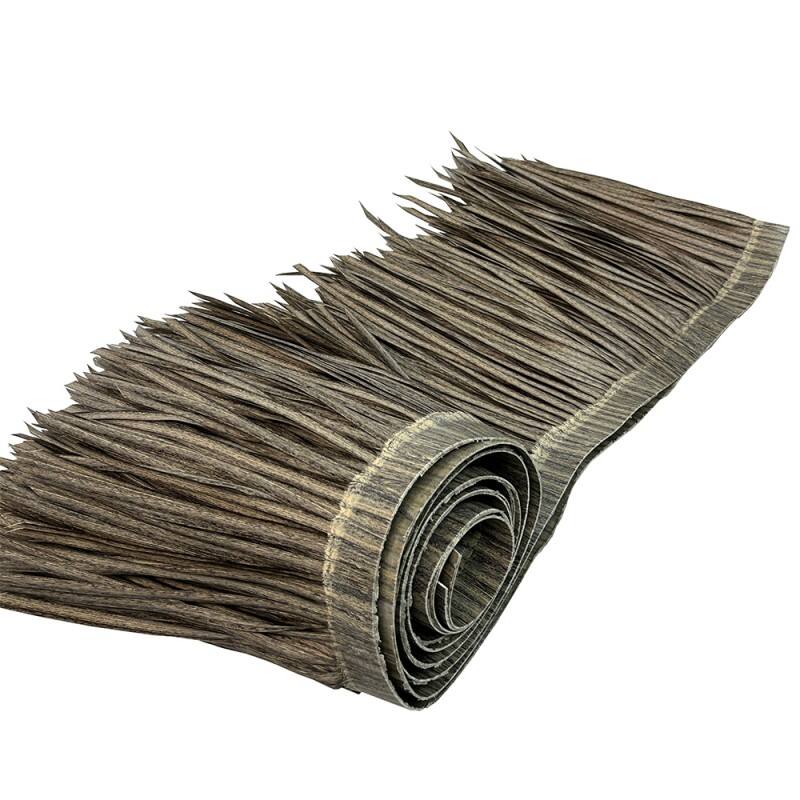
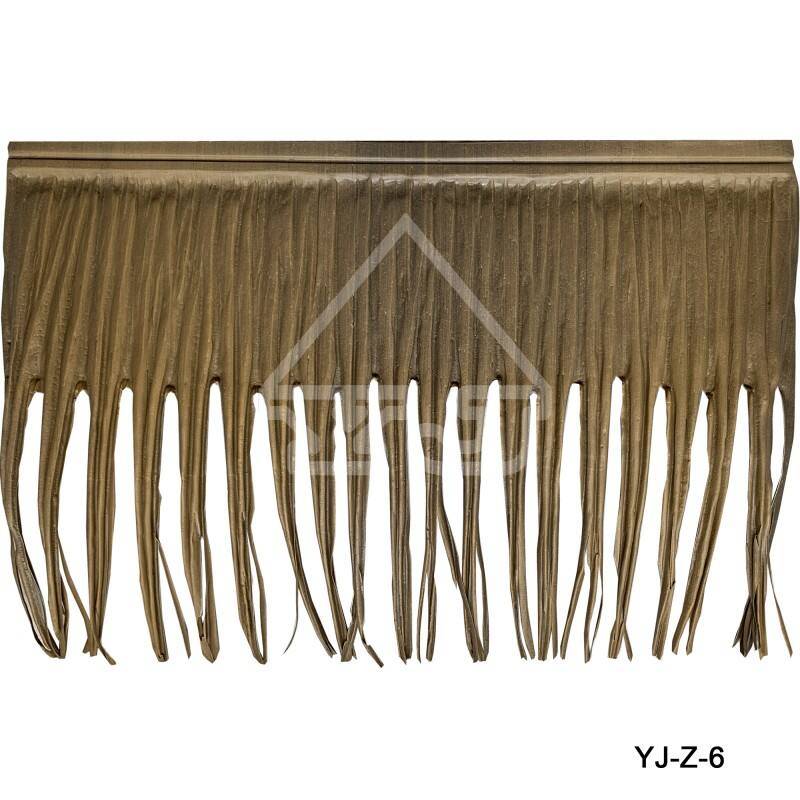
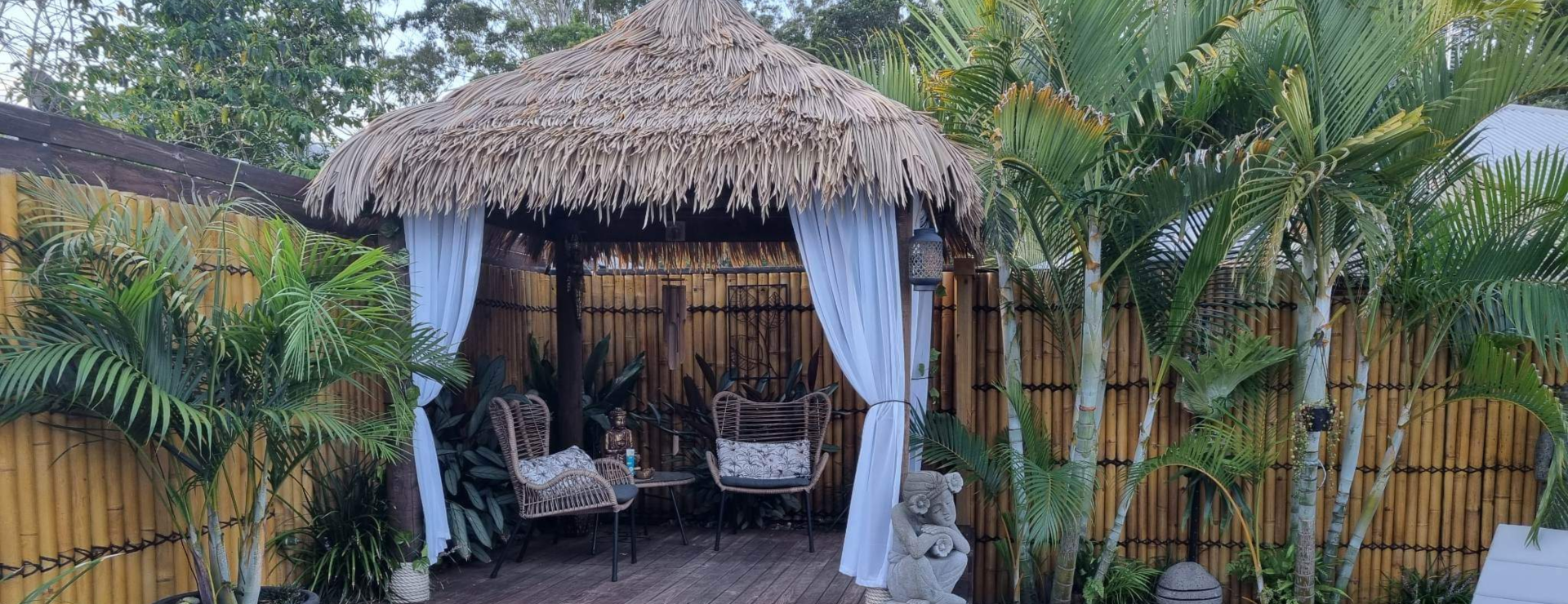
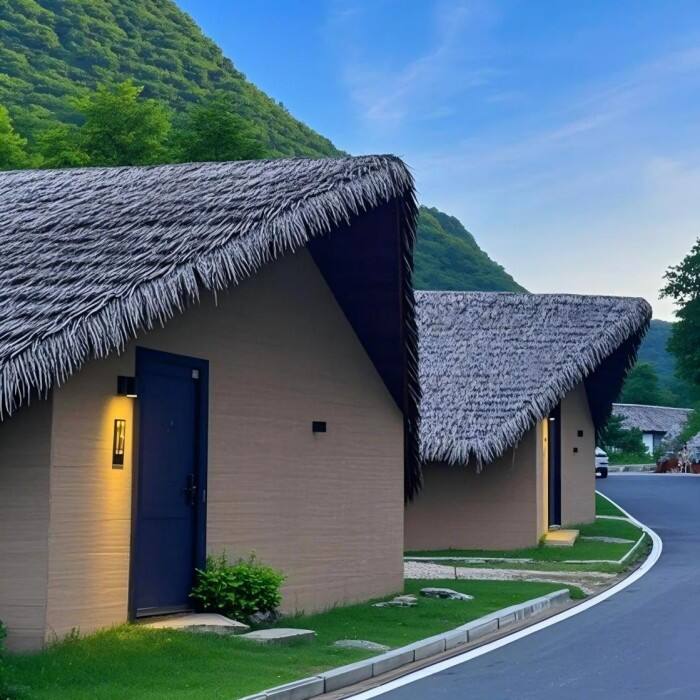
Thatched roof English cottages represent one of Britain's most iconic architectural treasures, embodying centuries of traditional craftsmanship and rural heritage. These distinctive dwellings feature roofs constructed from carefully layered natural materials, primarily water reed, wheat straw, or Norfolk reed, creating the characteristic golden-brown appearance that defines the English countryside aesthetic. The main function of thatched roof English cottages extends beyond mere shelter, serving as living museums of vernacular architecture while providing comfortable, energy-efficient homes for modern residents. The technological features of these remarkable structures demonstrate sophisticated engineering principles developed over generations. The thatching process involves precise layering techniques where skilled craftsmen, known as thatchers, carefully position and secure bundles of organic material to create a weatherproof barrier. This ancient technology relies on the natural properties of the materials, which swell when wet to create an impermeable seal while allowing moisture to escape during dry periods. The steep pitch of thatched roofs, typically ranging from 45 to 55 degrees, ensures rapid water runoff while maximizing the insulating properties of the thick organic layer. Applications of thatched roof English cottages span residential, commercial, and heritage sectors. Many serve as primary residences for families seeking authentic country living, while others function as luxury holiday rentals attracting tourists eager to experience traditional British culture. The hospitality industry extensively utilizes these properties as boutique accommodations, restaurants, and event venues, capitalizing on their unique charm and historical significance. Conservation organizations maintain numerous thatched roof English cottages as museum pieces, educational centers, and cultural landmarks. Modern applications also include sustainable housing projects where the eco-friendly properties of natural thatching materials align with contemporary environmental consciousness, making these traditional structures increasingly relevant in today's green building movement.
 EN
EN