English Thatched Roof Cottage: Traditional Heritage Homes with Modern Comfort and Energy Efficiency

Get a Free Quote

Our representative will contact you soon.
Email
Name
Company Name
Message
0/1000

english thatched roof cottage

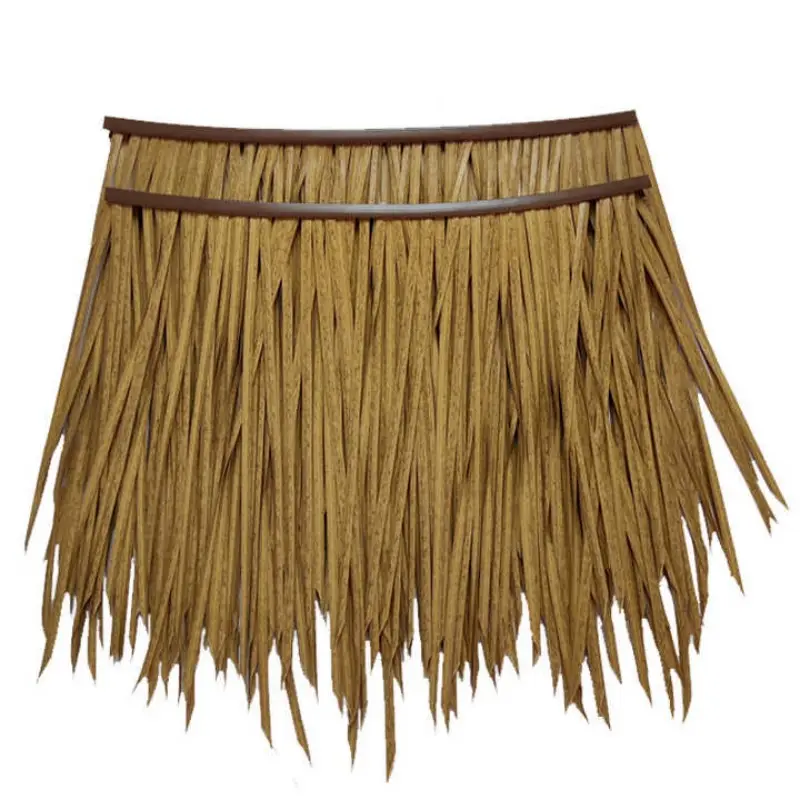
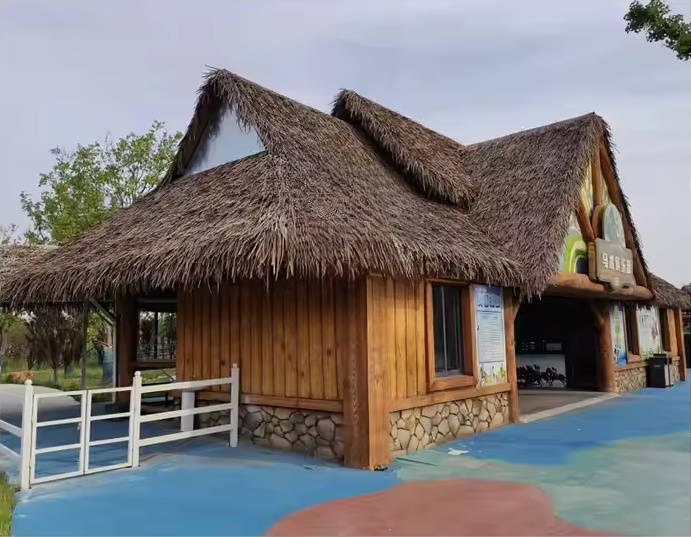
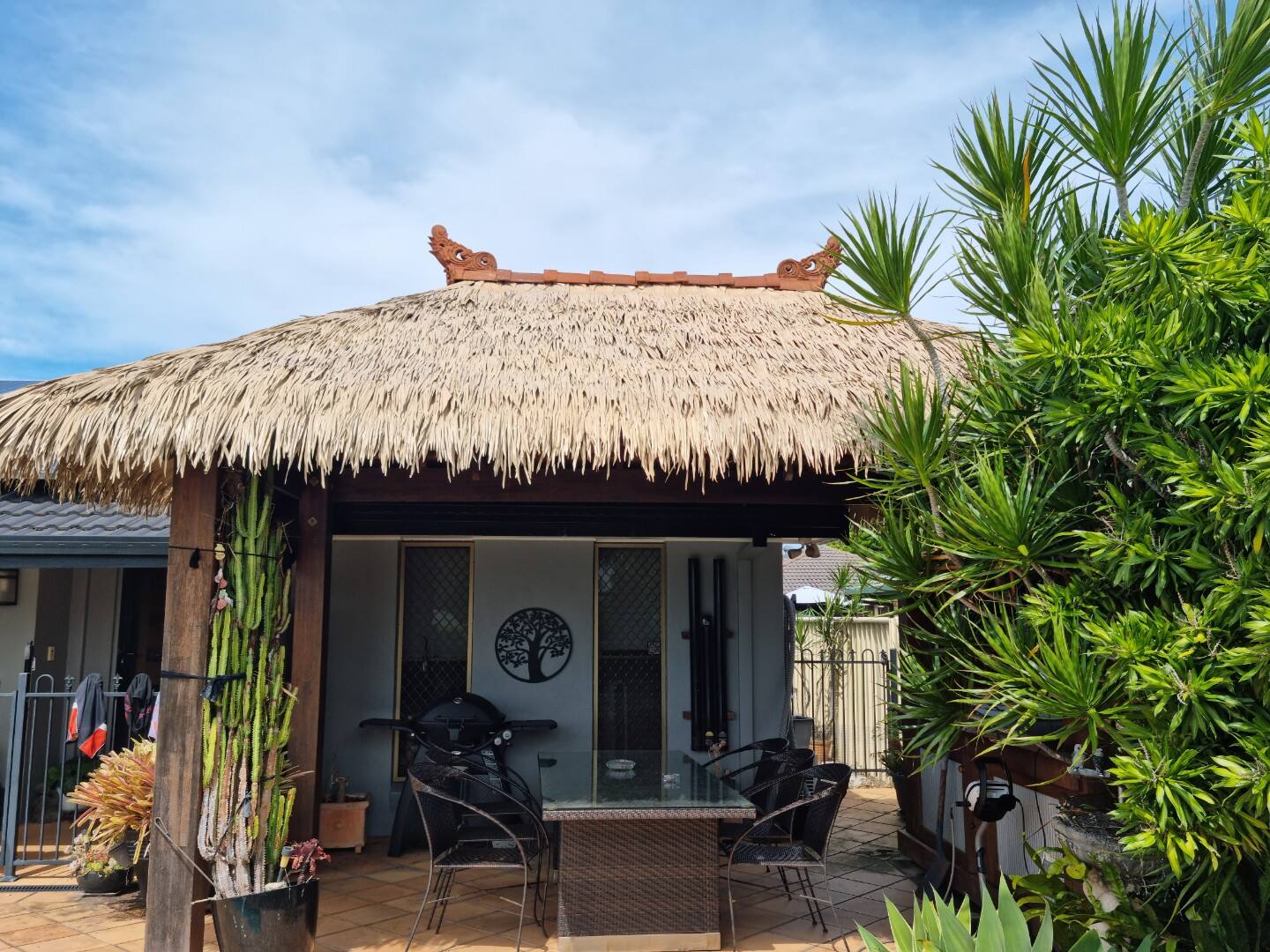
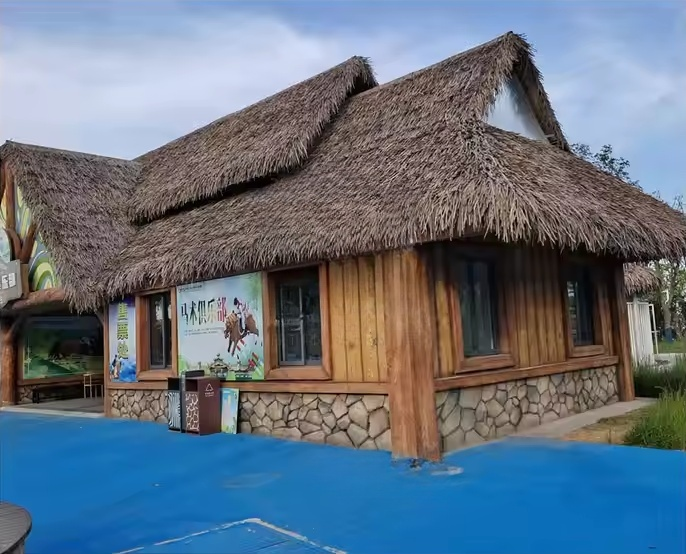
The English thatched roof cottage represents one of Britain's most iconic architectural treasures, combining centuries-old craftsmanship with enduring functionality. These distinctive dwellings feature roofs constructed from carefully layered natural materials, primarily wheat straw, reed, or water reed, creating a weatherproof barrier that has protected families for generations. The main function of an English thatched roof cottage extends beyond mere shelter, serving as a testament to sustainable living and traditional building techniques that modern construction can learn from today. The technological features of these remarkable structures center around their sophisticated layering system, where skilled craftsmen arrange organic materials in overlapping patterns that channel rainwater away from the interior while providing excellent insulation properties. The thick thatch layer, typically measuring between 12 to 18 inches, creates natural temperature regulation that keeps interiors cool during summer months and warm throughout winter seasons. Applications for English thatched roof cottages span residential living, heritage tourism, boutique accommodations, and cultural preservation projects. These buildings demonstrate remarkable longevity when properly maintained, with some examples dating back over 500 years still providing comfortable living spaces. The construction process involves specialized thatching techniques passed down through generations of craftsmen who understand the intricate art of selecting, preparing, and installing natural roofing materials. Modern English thatched roof cottages incorporate contemporary amenities while preserving traditional aesthetics, making them suitable for year-round residence or vacation properties. The structural framework typically features timber framing, often oak, which provides robust support for the substantial roof weight while allowing for natural building movement. These cottages frequently include distinctive features such as dormer windows, carved ridge details, and decorative patterns that reflect regional thatching traditions, making each English thatched roof cottage a unique architectural specimen.

New Product Recommendations

English thatched roof cottages offer numerous practical benefits that make them increasingly attractive to discerning property buyers and heritage enthusiasts. The superior insulation properties of thatch roofing significantly reduce energy consumption compared to conventional roofing materials, as the dense organic layers create natural thermal barriers that maintain comfortable indoor temperatures year-round. This energy efficiency translates directly into lower heating and cooling costs, providing substantial financial savings over the building's lifetime. The acoustic benefits of English thatched roof cottages cannot be overstated, as the thick natural materials effectively dampen external noise, creating peaceful interior environments ideal for relaxation and concentration. Property values for authentic English thatched roof cottages typically appreciate more rapidly than conventional homes, making them sound investment opportunities that combine lifestyle benefits with financial returns. The environmental advantages are compelling, as thatch represents one of the most sustainable roofing options available, utilizing renewable materials that require minimal processing and transportation. When properly maintained, an English thatched roof cottage can last centuries, demonstrating remarkable durability that surpasses many modern construction methods. The aesthetic appeal of these properties attracts premium rental rates for holiday accommodations, as tourists specifically seek authentic English countryside experiences. Maintenance requirements, while specialized, are manageable with proper care and periodic professional attention, typically involving ridge repairs every 10-15 years and complete re-thatching every 25-40 years depending on materials and climate exposure. The unique character of English thatched roof cottages creates distinctive living environments that cannot be replicated with modern materials or construction techniques. Insurance companies increasingly recognize the value and reduced fire risk of modern thatched properties, especially those incorporating fire-resistant treatments and proper maintenance protocols. The craftsmanship involved in creating and maintaining these structures supports traditional trades and local artisans, contributing to cultural preservation and community economic development. Health benefits include improved air quality due to the natural breathing properties of thatch materials, which help regulate humidity levels and prevent condensation problems common in sealed modern buildings.

Latest News

How to Evaluate Cost-Effectiveness of Artificial Thatch Roof for Commercial Projects

12

Nov

How to Evaluate Cost-Effectiveness of Artificial Thatch Roof for Commercial Projects

Commercial property developers and architects increasingly turn to alternative roofing solutions that combine aesthetic appeal with long-term durability. The artificial thatch roof has emerged as a compelling option for tropical resorts, entertainmen...
View More
Durability and Maintenance Methods of Rattan Weave

17

Dec

Durability and Maintenance Methods of Rattan Weave

Rattan weave has emerged as one of the most sought-after materials in contemporary architecture and interior design, offering a perfect blend of natural aesthetics and functional durability. This versatile material combines traditional craftsmanship ...
View More
Performance Differences Between Synthetic Thatch and Natural Thatch

11

Dec

Performance Differences Between Synthetic Thatch and Natural Thatch

Traditional thatched roofing has evolved significantly over the centuries, transitioning from purely natural materials to innovative synthetic alternatives that offer enhanced durability and performance. Modern construction projects increasingly face...
View More
Fire-Resistant and Waterproof Advantages of Synthetic Thatch Roof

05

Dec

Fire-Resistant and Waterproof Advantages of Synthetic Thatch Roof

Modern construction materials have revolutionized the roofing industry, offering innovative solutions that combine traditional aesthetics with contemporary performance standards. The synthetic thatch roof represents one of the most significant advanc...
View More

Get a Free Quote

Our representative will contact you soon.
Email
Name
Company Name
Message
0/1000

english thatched roof cottage

Exceptional Energy Efficiency and Natural Climate Control

Exceptional Energy Efficiency and Natural Climate Control

The English thatched roof cottage delivers unparalleled energy efficiency through its ingenious natural insulation system that modern green building standards strive to achieve. The substantial thickness of carefully layered organic materials creates multiple air pockets that form highly effective thermal barriers, significantly outperforming conventional insulation materials in both summer cooling and winter heating scenarios. This natural climate control system maintains stable indoor temperatures with minimal mechanical intervention, reducing dependency on artificial heating and cooling systems that contribute to high energy bills and environmental impact. The unique structure of thatch allows the building to breathe naturally, preventing moisture buildup that commonly plagues modern sealed constructions while maintaining optimal humidity levels for occupant comfort and health. During hot summer months, the thick thatch layer reflects solar radiation while allowing heat to dissipate through natural convection, keeping interiors refreshingly cool without air conditioning systems. Winter performance proves equally impressive, as the dense organic materials trap warm air and prevent heat loss through the roof, which typically accounts for up to 25% of total building heat loss in conventional structures. The thermal mass properties of an English thatched roof cottage create temperature stability that reduces dramatic indoor climate fluctuations, resulting in consistent comfort levels throughout seasonal changes. Scientific studies demonstrate that properly constructed thatch roofing can achieve thermal performance ratings comparable to modern high-efficiency insulation systems while providing additional benefits such as noise reduction and moisture regulation. The long-term cost savings associated with reduced energy consumption often offset the initial investment in authentic thatching materials and skilled craftsmanship, making English thatched roof cottages financially prudent choices for environmentally conscious property owners. This natural energy efficiency becomes increasingly valuable as utility costs continue rising and environmental regulations favor sustainable building practices that minimize carbon footprints.
Authentic Heritage Character and Timeless Aesthetic Appeal

Authentic Heritage Character and Timeless Aesthetic Appeal

The English thatched roof cottage embodies authentic historical character that cannot be replicated through modern construction methods or synthetic materials, offering property owners a genuine connection to centuries of British architectural heritage. This distinctive aesthetic appeal creates immediate visual impact that distinguishes these properties from contemporary housing developments, providing unique living environments that reflect personal taste and appreciation for traditional craftsmanship. The organic curves and natural textures of thatched roofing create visual harmony with surrounding landscapes, particularly in rural settings where English thatched roof cottages appear to emerge naturally from their environments rather than imposing artificial structures upon the countryside. Regional variations in thatching techniques and decorative elements ensure that each cottage possesses individual character while maintaining recognizable traditional features that define authentic English countryside architecture. The aging process of natural thatching materials adds depth and richness to the building's appearance over time, developing attractive patina and subtle color variations that enhance rather than detract from the overall aesthetic appeal. Interior spaces within English thatched roof cottages feature distinctive architectural elements such as exposed timber beams, irregular ceiling lines, and cozy proportions that create intimate, welcoming atmospheres impossible to achieve in modern constructions. The prestigious association with English heritage tourism makes these properties highly desirable for both permanent residence and investment purposes, as they attract premium buyers who value authenticity and historical significance. Photographic appeal ensures that English thatched roof cottages remain popular subjects for professional photography, tourism marketing, and lifestyle publications, potentially providing additional income opportunities through location fees and promotional activities. The timeless design principles incorporated in these structures transcend temporary architectural trends, ensuring that English thatched roof cottages maintain their aesthetic relevance and market appeal across generations. Cultural significance extends beyond mere appearance, as these buildings represent tangible connections to traditional ways of life, sustainable building practices, and skilled craftsmanship that modern society increasingly values and seeks to preserve for future generations.
Superior Weather Protection and Structural Longevity

Superior Weather Protection and Structural Longevity

English thatched roof cottages demonstrate exceptional weather resistance through sophisticated natural engineering that has protected occupants from harsh British climates for over a millennium, proving the effectiveness of traditional building techniques against modern construction challenges. The layered construction method creates multiple overlapping barriers that shed rainwater efficiently while allowing the structure to flex and adapt to wind loads and thermal expansion without compromising structural integrity or weather protection. The steep pitch angles typical of thatched roofing, usually between 45-50 degrees, ensure rapid water runoff that prevents penetration and reduces the risk of water damage that commonly affects lower-pitched conventional roofs during severe weather events. Wind resistance capabilities of properly constructed English thatched roof cottages often exceed those of modern roofing systems, as the flexible organic materials can bend and compress under extreme conditions without suffering catastrophic failure like rigid tiles or metal sheeting. The natural water-shedding properties of reed and straw create self-draining surfaces that prevent ice dam formation and standing water accumulation, common problems that plague conventional roofing systems in freeze-thaw cycles. Structural longevity statistics demonstrate that well-maintained English thatched roof cottages routinely survive for centuries, with documented examples remaining habitable and structurally sound after 400-600 years of continuous occupation and weather exposure. The organic materials used in authentic thatching possess natural preservative properties that resist decay and pest infestation when properly installed and maintained according to traditional methods passed down through generations of skilled craftsmen. Flexibility characteristics allow English thatched roof cottages to settle and adjust to foundation movements and ground conditions without developing structural cracks or weather seal failures that require expensive repairs in rigid modern constructions. The substantial roof weight, typically 5-7 tons, provides excellent stability and wind resistance while the distributed load spreads evenly across supporting timber frameworks designed specifically to handle these structural requirements. Modern fire safety treatments can be applied to thatch materials without compromising their natural properties or weather protection capabilities, addressing contemporary safety concerns while preserving traditional construction benefits and ensuring insurance compliance for modern English thatched roof cottage ownership.

Get a Free Quote

Our representative will contact you soon.
Email
Name
Company Name
Message
0/1000