Thatched Roof Architecture: Sustainable Insulation Solutions and Traditional Building Excellence

Get a Free Quote

Our representative will contact you soon.
Email
Name
Company Name
Message
0/1000

thatched roof architecture

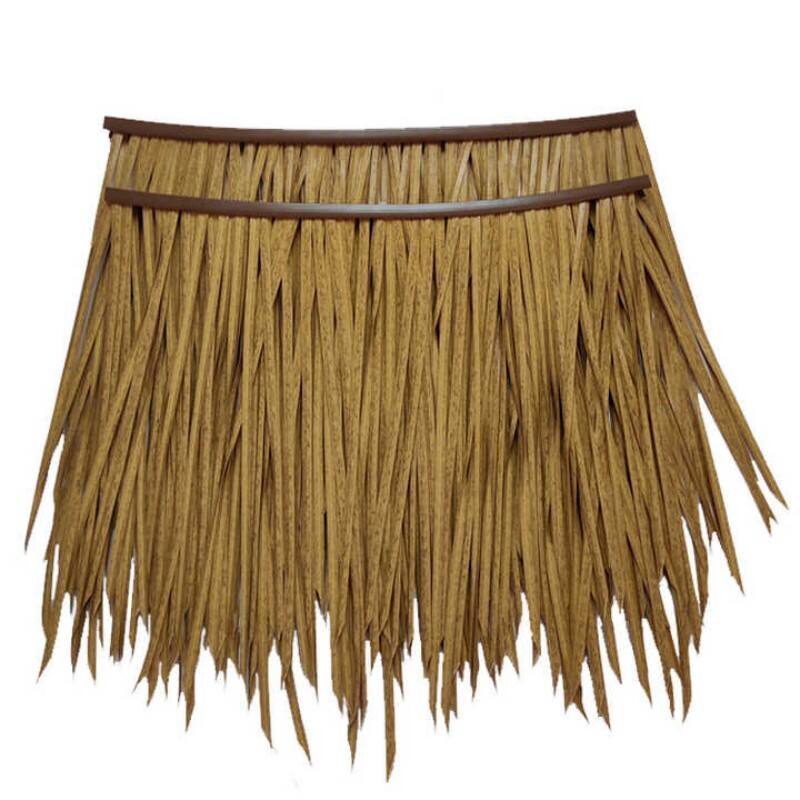
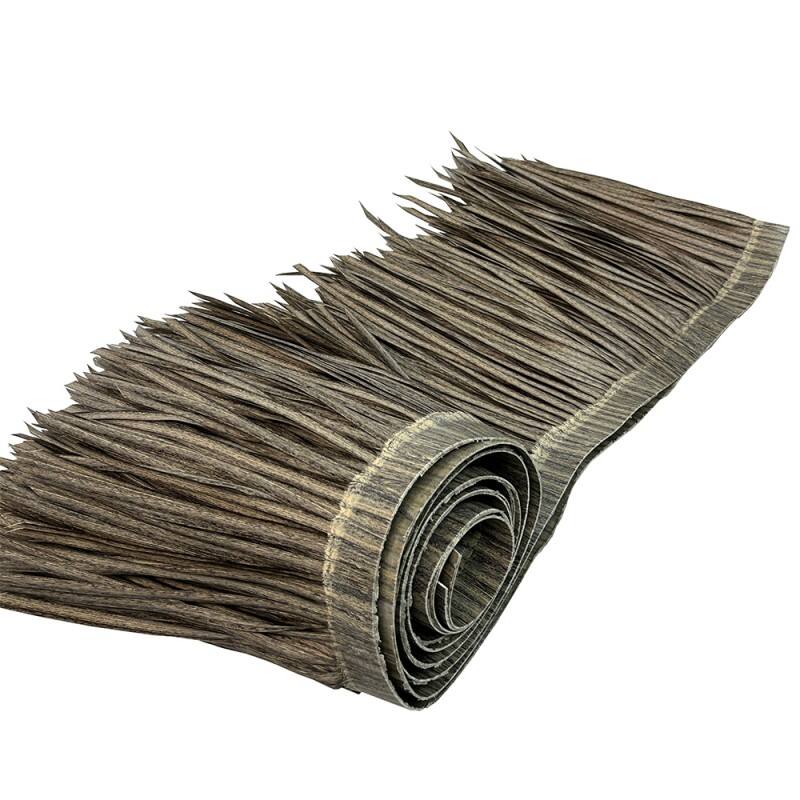
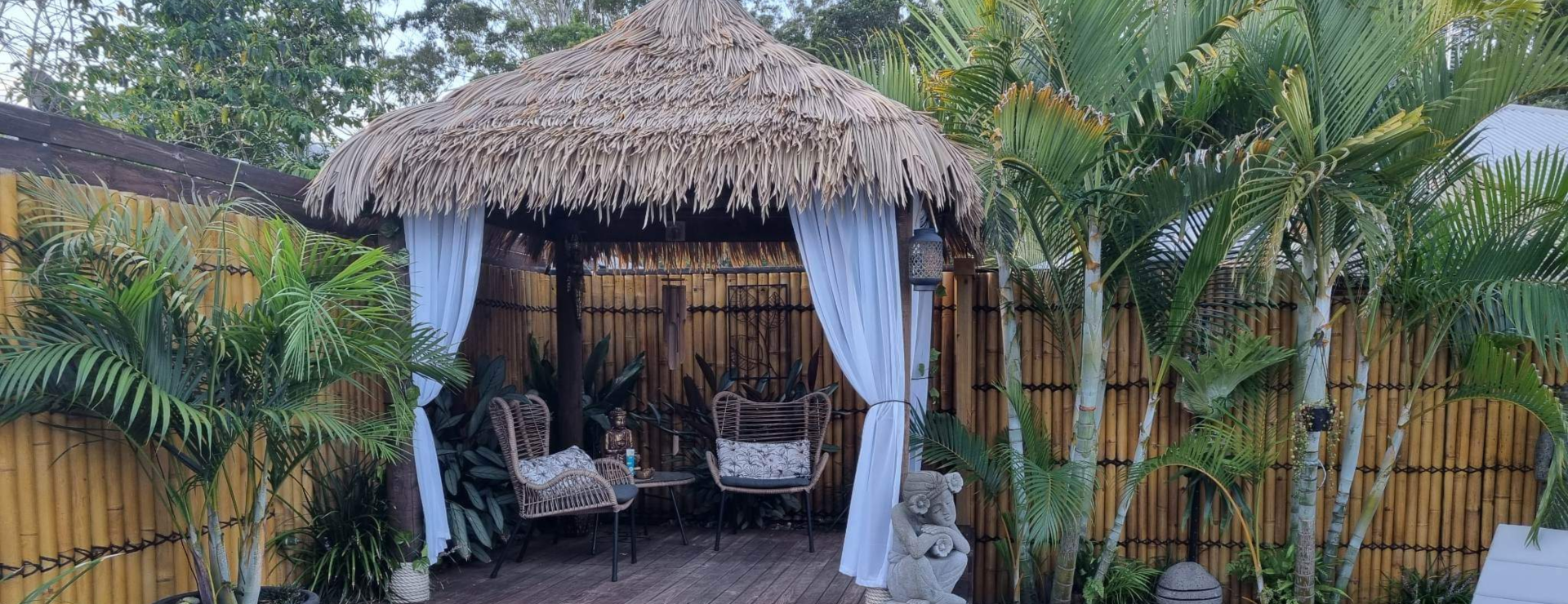
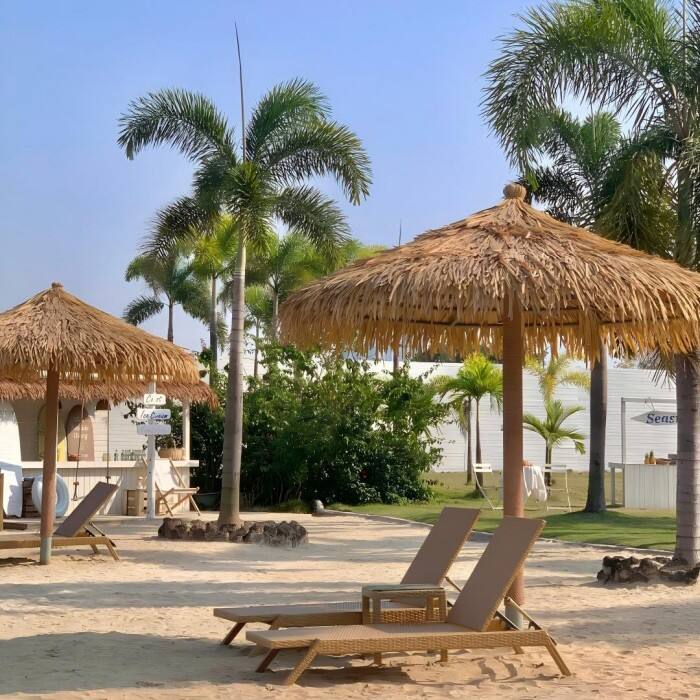
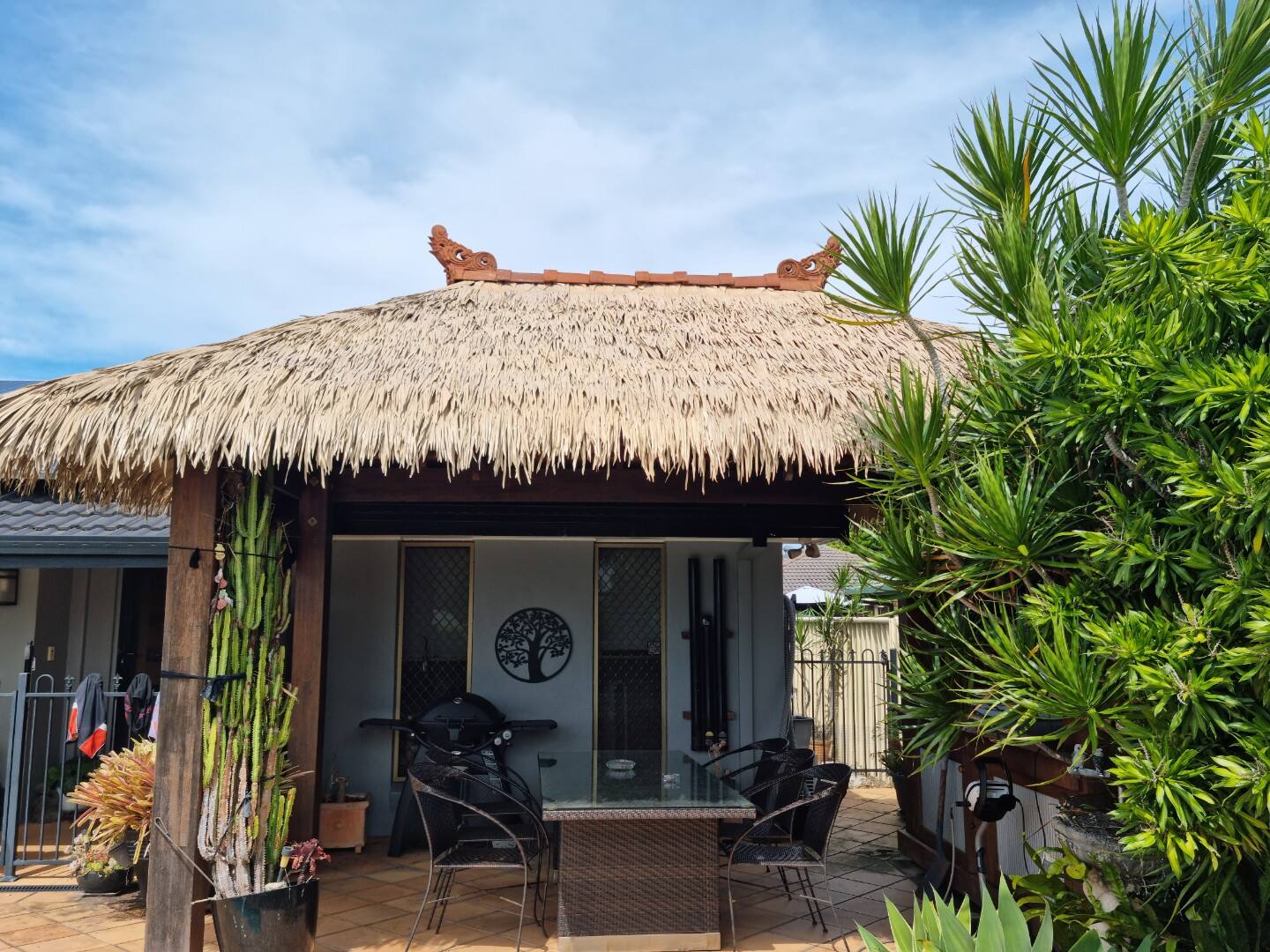
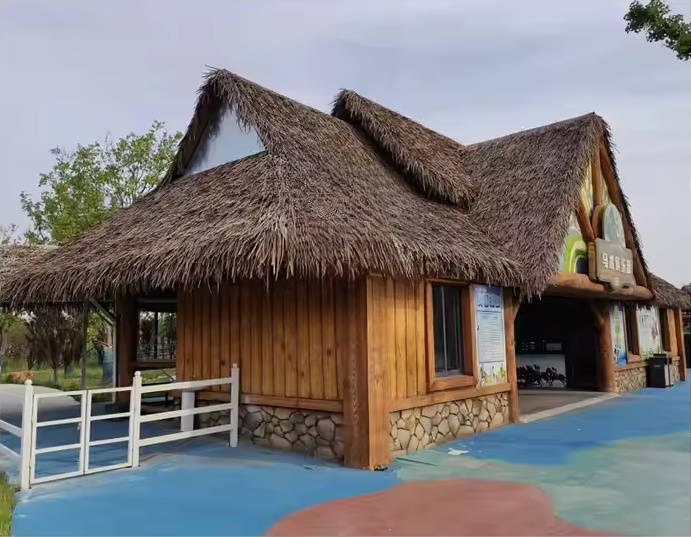
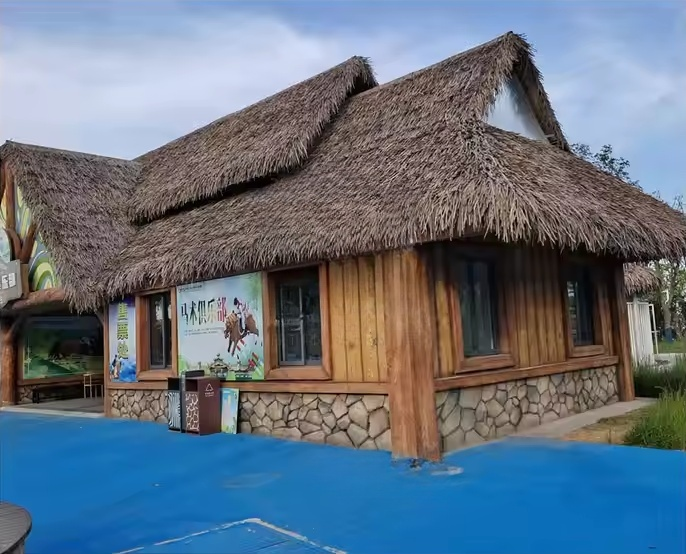
Thatched roof architecture represents one of humanity's oldest and most enduring building traditions, combining natural materials with time-tested construction techniques to create distinctive and functional roofing systems. This architectural approach utilizes organic materials such as straw, reed, sedge, rushes, or palm fronds, carefully layered and secured to form a weatherproof covering that has protected homes for millennia. The primary function of thatched roof architecture extends beyond mere weather protection, serving as an effective insulation system that maintains comfortable interior temperatures throughout seasonal variations. The technological features of thatched roof architecture rely on the natural properties of bundled organic fibers, which create a dense, overlapping barrier that sheds water through carefully angled layers while allowing air circulation to prevent moisture accumulation. The construction process involves skilled craftsmen who understand the specific characteristics of different thatching materials and employ traditional techniques passed down through generations. Applications of thatched roof architecture span residential homes, commercial establishments, cultural buildings, and heritage restoration projects across diverse geographical regions. The architectural style adapts to local climate conditions and available materials, resulting in regional variations that reflect cultural preferences and environmental requirements. Modern applications of thatched roof architecture often incorporate contemporary structural engineering principles while maintaining traditional aesthetic appeal and functional benefits. The system works through a combination of material selection, proper installation angles, and regular maintenance schedules that ensure long-term performance. Thatched roof architecture continues to find relevance in sustainable building practices, offering eco-friendly alternatives to conventional roofing materials while providing unique visual character that enhances property value and community identity.

New Product Releases

Thatched roof architecture delivers exceptional insulation performance that significantly reduces energy costs for homeowners throughout the year. The natural materials create a thick barrier that keeps interiors cool during summer months and warm during winter seasons, eliminating the need for excessive heating and cooling systems. Property owners save substantial amounts on utility bills while enjoying consistent indoor comfort levels regardless of external weather conditions. The environmental benefits of thatched roof architecture make it an ideal choice for eco-conscious consumers who prioritize sustainable living practices. These roofing systems use renewable, biodegradable materials that leave minimal environmental footprint compared to manufactured roofing products. When replacement becomes necessary, old thatch materials decompose naturally, contributing valuable organic matter to soil systems rather than filling landfills with non-biodegradable waste. The durability of properly installed thatched roof architecture provides long-term value for property investments, with quality installations lasting twenty to forty years depending on materials and maintenance practices. This longevity compares favorably with many conventional roofing options while offering unique aesthetic appeal that increases property market value. Thatched roof architecture creates distinctive visual character that sets properties apart from standard housing developments, attracting buyers who appreciate traditional craftsmanship and architectural heritage. The natural materials blend harmoniously with landscape environments, creating seamless integration between built structures and surrounding natural features. Sound insulation represents another significant advantage, as the thick layers of organic materials effectively dampen external noise, creating peaceful interior environments free from traffic sounds, aircraft noise, and weather disturbances. Flexibility in design applications allows thatched roof architecture to complement various architectural styles, from traditional cottage designs to contemporary interpretations that incorporate modern amenities while maintaining historical authenticity. The craftsmanship involved in thatched roof architecture supports local artisan communities and preserves valuable cultural skills that connect modern construction with historical building traditions. Maintenance requirements, while requiring specialized knowledge, involve natural processes and materials that align with sustainable living philosophies while ensuring optimal performance and appearance retention over extended periods.

Tips And Tricks

How to Enhance Commercial Building Durability with Synthetic Palm Leaf Thatch

27

Nov

How to Enhance Commercial Building Durability with Synthetic Palm Leaf Thatch

Commercial buildings in tropical and subtropical regions face unique challenges when it comes to maintaining aesthetic appeal while ensuring long-term durability. Traditional roofing and decorative materials often fall short when exposed to intense U...
View More
How to Choose a High-Quality Synthetic Thatch Roof for Commercial Projects

24

Nov

How to Choose a High-Quality Synthetic Thatch Roof for Commercial Projects

Selecting the right roofing material for commercial projects requires careful consideration of durability, aesthetics, and long-term performance. A synthetic thatch roof offers an ideal solution for businesses seeking the authentic appearance of trad...
View More
Durability and Maintenance Methods of Rattan Weave

17

Dec

Durability and Maintenance Methods of Rattan Weave

Rattan weave has emerged as one of the most sought-after materials in contemporary architecture and interior design, offering a perfect blend of natural aesthetics and functional durability. This versatile material combines traditional craftsmanship ...
View More
Performance Differences Between Synthetic Thatch and Natural Thatch

11

Dec

Performance Differences Between Synthetic Thatch and Natural Thatch

Traditional thatched roofing has evolved significantly over the centuries, transitioning from purely natural materials to innovative synthetic alternatives that offer enhanced durability and performance. Modern construction projects increasingly face...
View More

Get a Free Quote

Our representative will contact you soon.
Email
Name
Company Name
Message
0/1000

thatched roof architecture

Superior Natural Insulation Performance

Superior Natural Insulation Performance

Thatched roof architecture provides unmatched thermal insulation properties that create comfortable living environments while dramatically reducing energy consumption costs for homeowners. The unique construction method involves layering organic materials to create a thick, dense barrier that naturally regulates interior temperatures through both hot and cold seasons. This insulation system works by trapping air within the fibrous structure of the thatching materials, creating multiple thermal barriers that prevent heat transfer between interior and exterior environments. During summer months, thatched roof architecture reflects solar radiation while allowing natural ventilation through the material structure, keeping interior spaces significantly cooler than conventional roofing systems. The thick layers of organic material create shade and thermal mass that absorbs heat during daytime hours and releases it slowly during cooler evening temperatures. Winter performance proves equally impressive, as the natural insulation properties of thatched roof architecture retain interior heat while preventing cold air infiltration through the roofing system. Property owners report substantial reductions in heating and cooling costs, often experiencing energy savings of thirty to fifty percent compared to homes with conventional roofing materials. The insulation performance remains consistent throughout the lifespan of the thatched roof architecture, unlike some manufactured insulation products that may compress or degrade over time. The natural materials maintain their insulating properties through seasonal expansion and contraction cycles without losing effectiveness or developing gaps that compromise thermal performance. This superior insulation capability makes thatched roof architecture particularly valuable in regions with extreme temperature variations, where energy costs for climate control represent significant household expenses.
Environmentally Sustainable Building Solution

Environmentally Sustainable Building Solution

Thatched roof architecture represents the pinnacle of sustainable building practices, utilizing completely renewable resources that support environmental conservation while delivering exceptional performance characteristics. The materials used in thatched roof architecture grow naturally and can be harvested repeatedly without depleting natural resources or causing environmental damage to ecosystems. Straw, reed, and other organic materials used in this construction method are typically agricultural byproducts or sustainably managed crops that actually benefit from regular harvesting cycles. The production process for thatched roof architecture materials requires minimal energy input compared to manufactured roofing products, eliminating the carbon footprint associated with industrial processing, chemical treatments, and long-distance transportation of synthetic materials. Local sourcing of thatching materials supports regional economies while reducing transportation costs and environmental impact associated with shipping heavy building materials across great distances. The biodegradable nature of thatched roof architecture materials ensures that end-of-life disposal creates no environmental burden, as old thatch can be composted or returned directly to agricultural systems as organic matter. This circular approach to building materials aligns perfectly with modern sustainability goals and zero-waste building practices. Carbon sequestration represents another environmental benefit, as the organic materials in thatched roof architecture continue to store carbon throughout their service life, contributing to reduced atmospheric carbon levels. The harvesting of materials for thatched roof architecture often supports wetland management and agricultural diversification programs that enhance biodiversity and ecosystem health in rural communities. Modern thatched roof architecture projects often incorporate additional sustainable features such as rainwater collection systems and wildlife habitat integration, creating comprehensive environmental solutions that benefit both property owners and surrounding natural systems.
Distinctive Aesthetic Appeal and Property Value Enhancement

Distinctive Aesthetic Appeal and Property Value Enhancement

Thatched roof architecture delivers unparalleled visual appeal that transforms ordinary buildings into extraordinary architectural statements while significantly increasing property market value and community distinction. The natural texture and organic curves of thatched roof architecture create visual interest that cannot be replicated with manufactured materials, giving properties a timeless character that appeals to discerning buyers and architectural enthusiasts. The craftsmanship evident in quality thatched roof architecture installations demonstrates attention to detail and commitment to excellence that elevates the perceived value of entire properties. Real estate market data consistently shows that homes featuring authentic thatched roof architecture command premium prices and experience faster sales cycles compared to properties with conventional roofing systems. The unique appearance of thatched roof architecture creates instant curb appeal that sets properties apart in competitive real estate markets, attracting buyers who seek distinctive homes with character and historical significance. The natural golden colors and textured surfaces of thatched roof architecture materials complement diverse landscape settings and architectural styles, creating harmonious integration between built environments and natural surroundings. Seasonal color variations in thatched roof architecture materials provide dynamic visual interest throughout the year, with fresh installations displaying bright golden tones that gradually weather to rich silver-grey patinas. The three-dimensional quality of thatched roof architecture creates dramatic shadow patterns and visual depth that flat roofing materials cannot match, enhancing the architectural complexity and photogenic qualities of properties. Tourism and hospitality businesses particularly benefit from the distinctive appeal of thatched roof architecture, as these traditional roofing systems create authentic atmosphere and cultural authenticity that attracts visitors and supports marketing efforts. The exclusivity factor associated with thatched roof architecture adds prestige value to properties, as the specialized craftsmanship and materials make these installations relatively rare and highly sought after in many markets.

Get a Free Quote

Our representative will contact you soon.
Email
Name
Company Name
Message
0/1000